
After traveling through the proximal convoluted tubule, glomerular filtrate enters which of the following nephron components?
Loop of Henle
Bowman's capsule
Collecting duct
Glomerulus
The Correct Answer is A
A. Loop of Henle: After the glomerular filtrate passes through the proximal convoluted tubule, it enters the Loop of Henle. This component of the nephron is responsible for further concentrating the filtrate and plays a critical role in urine concentration.
B. Bowman's capsule: Bowman's capsule is where glomerular filtration begins. It collects the filtrate from the glomerulus, but it is not where filtrate goes after the proximal convoluted tubule.
C. Collecting duct: The collecting duct is the final segment of the nephron where urine is collected after it has passed through the Loop of Henle and distal convoluted tubule. It does not receive the filtrate directly from the proximal convoluted tubule.
D. Glomerulus: The glomerulus is a network of capillaries where filtration of blood occurs, producing glomerular filtrate. It is not a component that the filtrate enters after the proximal convoluted tubule.
Nursing Test Bank
Naxlex Comprehensive Predictor Exams
Related Questions
Correct Answer is C
Explanation
a: Adrenal cortex and calcitonin hormone - Calcitonin is primarily secreted by the thyroid gland, not the adrenal cortex.
b: Hypothalamus and prolactin hormone - Prolactin is primarily secreted by the anterior pituitary gland, not the hypothalamus.
c. Anterior pituitary and growth hormone -The anterior pituitary gland secretes growth hormone (GH), which regulates growth, metabolism, and development.
d: Thyroid and thyroid-stimulating hormone - Thyroid-stimulating hormone (TSH) is secreted by the anterior pituitary gland, not the thyroid gland directly.
Correct Answer is B
Explanation
a: Cerebellum - The cerebellum is responsible for coordination and balance but is not where the medulla, pons, and midbrain are located.
b. Brainstem-The brainstem is composed of the medulla oblongata, pons, and midbrain. It regulates many basic physiological functions such as heart rate, breathing, and sleep.
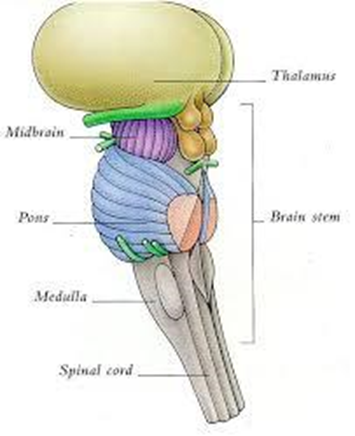
c: Ventricles - The ventricles are fluid-filled cavities within the brain, not regions containing the medulla, pons, and midbrain.
d: Choroid plexus - The choroid plexus produces cerebrospinal fluid (CSF) within the ventricles of the brain, but it is not where the medulla, pons, and midbrain are located.
Whether you are a student looking to ace your exams or a practicing nurse seeking to enhance your expertise , our nursing education contents will empower you with the confidence and competence to make a difference in the lives of patients and become a respected leader in the healthcare field.
Visit Naxlex, invest in your future and unlock endless possibilities with our unparalleled nursing education contents today