
How will the parents of a 8 year old child diagnosed with ADHD most typically describe their child's behavior?
a learning disorder and muscle paralysis
nervousness and sleeplessness
hyperactivity and decreased attention span
hyperactivity and nervousness
The Correct Answer is C
A. A learning disorder and muscle paralysis
This description does not align with the typical symptoms of ADHD. ADHD is characterized by core symptoms of inattention, hyperactivity, and impulsivity. Muscle paralysis is not a recognized symptom of ADHD.
B. Nervousness and sleeplessness
While some individuals with ADHD may experience difficulties with sleep, nervousness and sleeplessness are not the primary symptoms of ADHD. ADHD is more characterized by difficulties with attention, hyperactivity, and impulsivity.
C. Hyperactivity and decreased attention span
This is the correct choice. Hyperactivity and a decreased attention span are core symptoms of ADHD. Children with ADHD often display impulsive behaviors, have difficulty sustaining attention, and may be overly active.
D. Hyperactivity and nervousness
While hyperactivity is a common symptom of ADHD, nervousness is not typically described as a core symptom. ADHD is more characterized by impulsivity, hyperactivity, and attention difficulties.
Nursing Test Bank
Naxlex Comprehensive Predictor Exams
Related Questions
Correct Answer is ["3"]
Explanation
To calculate the dosage of furosemide (Lasix), a diuretic medication, you need to divide the ordered amount by the tablet strength.
In this case, the ordered amount is 120 mg and the tablet strength is 40 mg.
Therefore, you need to divide 120 by 40, which gives you 3.
This means you would administer 3 tablets of furosemide (Lasix) to the patient.
Correct Answer is D
Explanation
A. Calm the patient to reduce acid production.
This description is not accurate for sucralfate. Calming the patient to reduce acid production is typically associated with medications like proton pump inhibitors (PPIs) or H2 receptor blockers.
B. Block the H2 receptors.
Blocking H2 receptors is the mechanism of action for H2 receptor blockers, such as ranitidine. It is not the mechanism of action for sucralfate.
C. Neutralize the gastric acids.
Neutralizing gastric acids is the mechanism of action for antacids, such as aluminum hydroxide or calcium carbonate. Sucralfate works differently; it forms a protective coating on the gastric lining rather than directly neutralizing acids.
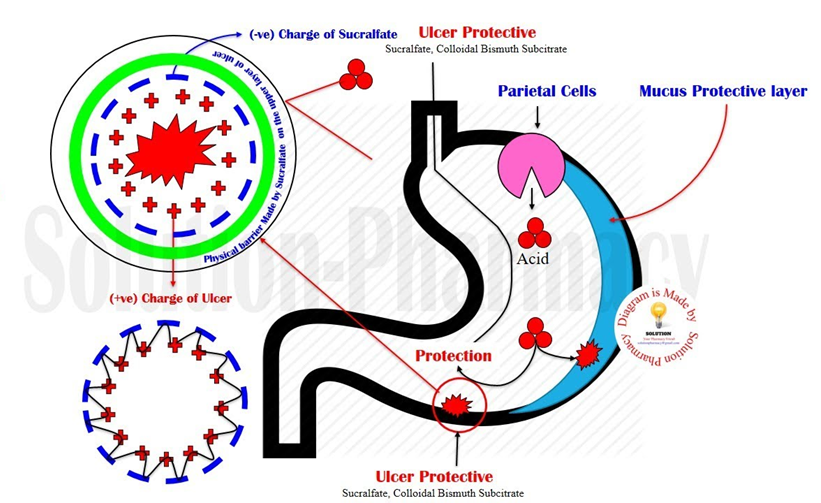
D. Coat the gastric lining.
This is the correct mechanism of action for sucralfate. It forms a protective coating on the gastric lining, adhering to the ulcer site and providing a barrier against gastric acid.
Whether you are a student looking to ace your exams or a practicing nurse seeking to enhance your expertise , our nursing education contents will empower you with the confidence and competence to make a difference in the lives of patients and become a respected leader in the healthcare field.
Visit Naxlex, invest in your future and unlock endless possibilities with our unparalleled nursing education contents today