
During a family group meeting, the client's daughter tells the group, "I hope I didn't cause
Mom to be depressed." Which response is best for the nurse to provide?
I hear you say you worry about causing your mother's distress.
Are you afraid that your mother's depression will lead to her death?
What do you think you did that led to your mother's depression?
You are not alone in feeling responsible for others in your family.
You are not alone in feeling responsible for others in your family.
The Correct Answer is A
A. This response acknowledges the daughter's feelings without making assumptions or placing blame, fostering open communication and understanding within the family group.
B. This response may escalate the daughter's anxiety and is not directly related to her statement about causing her mother's depression.
C. This response may inadvertently encourage the daughter to blame herself for her mother's depression, which is not helpful in addressing family dynamics.
D. This response may put the daughter on the spot and could make her feel defensive or misunderstood, hindering effective communication within the family group.
Nursing Test Bank
Naxlex Comprehensive Predictor Exams
Related Questions
Correct Answer is A
Explanation
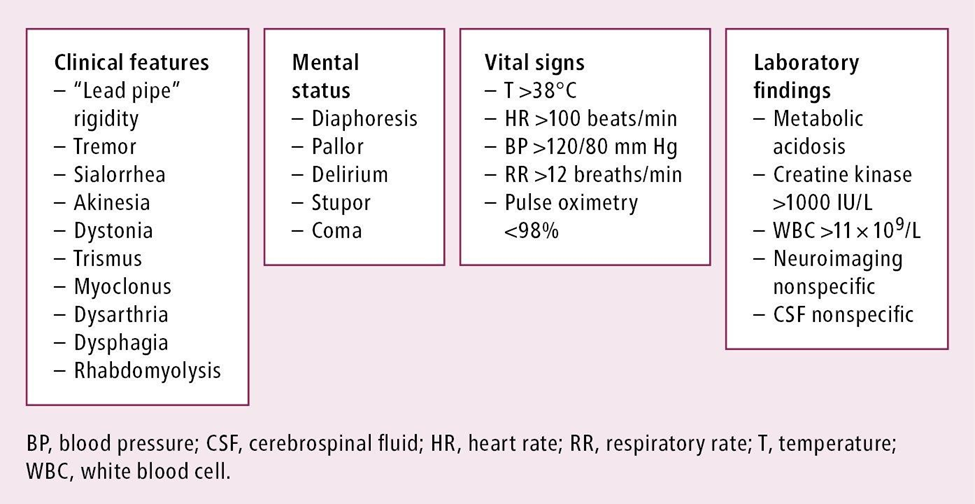
A. Current vital signs are essential for assessing for neuroleptic malignant syndrome (NMS), a potentially life-threatening side effect of antipsychotic medications like haloperidol. Vital signs such as temperature, blood pressure, heart rate, and respiratory rate are crucial indicators of
NMS.
B. While monitoring white blood cell count may be important for detecting infections or adverse reactions to medications, it is not specific to assessing for NMS.
C. Monitoring 24-hour urinary output may be important for assessing renal function but is not specific to assessing for NMS.
D. Monitoring blood sugar levels may be important for clients with diabetes or those at risk of hyperglycemia due to medication effects, but it is not specific to assessing for NMS.
Correct Answer is C
Explanation
A. Involving the client in a daily exercise program may be beneficial for depression but does not directly address the issue of delayed responses during questioning.
B. Asking the client to describe her depression may be helpful for assessment purposes but does not address the immediate need of dealing with delayed responses.
C. Spending time sitting in silence with the client allows the nurse to provide a supportive presence without pressure for immediate responses, which can be helpful for a client experiencing depression-related delays in communication.
D. Observing for signs of possible psychosis is important but may not be indicated solely based on delayed responses; other symptoms would need to be present to warrant this concern.
Whether you are a student looking to ace your exams or a practicing nurse seeking to enhance your expertise , our nursing education contents will empower you with the confidence and competence to make a difference in the lives of patients and become a respected leader in the healthcare field.
Visit Naxlex, invest in your future and unlock endless possibilities with our unparalleled nursing education contents today