
Assessment of a pregnant woman reveals that she compulsively craves ice. The nurse documents this finding as
linea nigra
pica
ballottement
quickening
The Correct Answer is B
Choice A Reason: Linea nigra is a dark vertical line that appears on the abdomen of some pregnant women. It is caused by increased melanin production and usually fades after delivery.
Choice B Reason: Pica is a condition in which a person has an abnormal desire to eat substances that are not food, such as ice, clay, dirt, or chalk. It is more common in pregnant women and may indicate a deficiency in iron or other nutrients.
Choice C Reason: Ballottement is a technique of palpating a floating structure by bouncing it gently and feeling it rebound. In obstetrics, it can be used to detect the presence of the fetus by feeling its head move when the cervix is tapped.
Choice D Reason: Quickening is the first perception of fetal movements by the pregnant woman. It usually occurs between 16 and 20 weeks of gestation.
Nursing Test Bank
Naxlex Comprehensive Predictor Exams
Related Questions
Correct Answer is A
Explanation
Choice A: Hemodilution of pregnancy is a normal physiological phenomenon that occurs when the plasma volume increases more than the red blood cell mass, resulting in a lower hemoglobin concentration. The normal hemoglobin range for pregnant women in the second trimester is 10.5 to 14 g/dL.
Choice B: A multiple gestation pregnancy may cause a higher hemoglobin level due to increased erythropoietin production by the placenta. The normal hemoglobin range for pregnant women with twins in the second trimester is 12 to 16 g/dL.
Choice C: Greater-than-expected weight gain is not related to hemoglobin level. Weight gain during pregnancy depends on various factors such as pre-pregnancy weight, nutrition, activity level, and fetal growth.
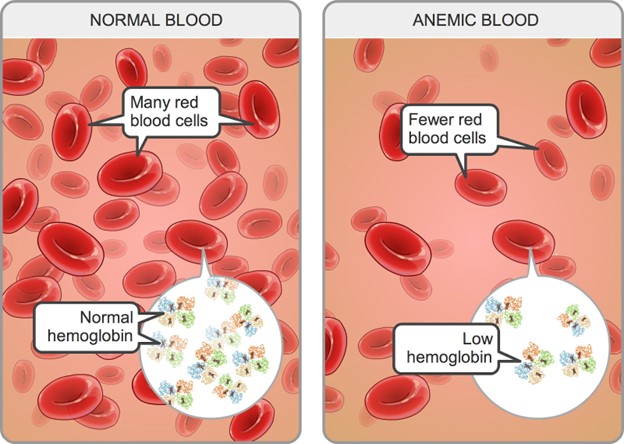
Choice D: Iron-deficiency anemia is a condition where the hemoglobin level is below the normal range due to inadequate iron intake or absorption, blood loss, or increased iron demand. The signs and symptoms of iron-deficiency anemia include fatigue, pallor, weakness, shortness of breath, and pica.
Correct Answer is A
Explanation
Choice A: Hemodilution of pregnancy is a normal physiological phenomenon that occurs when the plasma volume increases more than the red blood cell mass, resulting in a lower hemoglobin concentration. The normal hemoglobin range for pregnant women in the second trimester is 10.5 to 14 g/dL.
Choice B: A multiple gestation pregnancy may cause a higher hemoglobin level due to increased erythropoietin production by the placenta. The normal hemoglobin range for pregnant women with twins in the second trimester is 12 to 16 g/dL.
Choice C: Greater-than-expected weight gain is not related to hemoglobin level. Weight gain during pregnancy depends on various factors such as pre-pregnancy weight, nutrition, activity level, and fetal growth.
Choice D: Iron-deficiency anemia is a condition where the hemoglobin level is below the normal range due to inadequate iron intake or absorption, blood loss, or increased iron demand. The signs and symptoms of iron-deficiency anemia include fatigue, pallor, weakness, shortness of breath, and pica.
Whether you are a student looking to ace your exams or a practicing nurse seeking to enhance your expertise , our nursing education contents will empower you with the confidence and competence to make a difference in the lives of patients and become a respected leader in the healthcare field.
Visit Naxlex, invest in your future and unlock endless possibilities with our unparalleled nursing education contents today