
An experienced, female practical nurse (PN) is hired to work on the surgical unit of a tertiary hospital. The first day she is working on the unit, the PN tells the charge nurse that she has excellent wound care skills. It is a busy day and a postoperative client needs to have a sterile dressing change. Which action is best for the charge nurse to take?
Review the PN's skill checklist to assess for wound care competency.
Watch the PN perform sterile wound care to validate her skill level.
Tell the PN that past experience does not indicate ability to perform skills.
Ask the PN to change the sterile dressing while the nurse is busy.
The Correct Answer is B
A) This action is not the best because it does not directly evaluate the PN's wound care skills in practice. A skill checklist may not reflect the current or actual abilities of the PN, especially if it is outdated or based on self-
reporting. The charge nurse should observe the PN's performance in person to ensure that she follows the proper procedures and protocols for sterile wound care.
B) This action is the best because it allows the charge nurse to verify the PN's wound care skills and provide feedback or guidance if needed. The charge nurse has a responsibility to ensure that the PN delivers safe and effective care to the clients on the unit. By watching the PN perform sterile wound care, the charge nurse can assess her competence, confidence, and compliance with standards of practice.
C) This action is not the best because it is disrespectful and discouraging to the PN. The charge nurse should not dismiss or undermine the PN's past experience, which may have contributed to her wound care skills. The charge nurse should acknowledge and appreciate the PN's expertise, but also verify her skill level through direct
observation.
D) This action is not the best because it exposes the client to potential harm and liability. The charge nurse should not delegate a task that requires assessment and evaluation to a PN without first confirming her skill level and competency. The charge nurse should also not ask the PN to perform a task while she is busy with other duties, as this may compromise the quality and safety of care.
Nursing Test Bank
Naxlex Comprehensive Predictor Exams
Related Questions
Correct Answer is B
Explanation
A) This client has a mild fever, which may indicate an infection or inflammation. This is a potential complication of enteral feedings, but it is not the most urgent situation. The nurse should monitor the client's vital signs, assess the feeding tube site, and notify the provider if the fever persists or worsens.
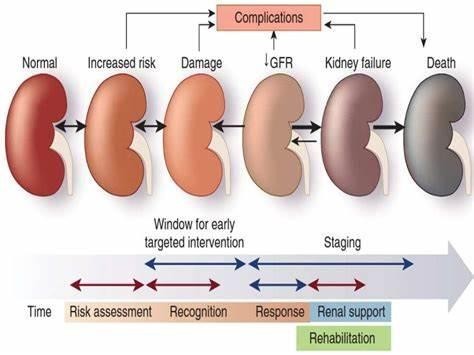
B) This client has signs of uremic encephalopathy, which is a life-threatening condition caused by the accumulation of toxins in the brain due to impaired renal function. The nurse should intervene immediately to prevent further
neurological damage and possible coma or death. The nurse should assess the client's level of consciousness, check the blood pressure and urine output, and prepare to administer dialysis or other treatments as ordered by the provider.
C) This client has heat stroke, which is a serious condition that can lead to dehydration, electrolyte imbalance, and organ damage. However, the client is receiving a normal saline IV fluid bolus, which is an appropriate intervention to restore fluid volume and correct sodium levels. The nurse should continue to monitor the client's vital signs, skin
temperature, and urine output, and watch for signs of fluid overload or cerebral edema.
D) This client has hyperemesis gravidarum, which is a severe form of nausea and vomiting during pregnancy that can lead to dehydration, malnutrition, and electrolyte imbalance. However, the client is receiving an infusion of Ringer's Lactate, which is an isotonic solution that can replenish fluid and electrolyte losses. The nurse should continue to monitor the client's vital signs, weight, and intake and output, and administer antiemetics or other medications as ordered by the provider.
Correct Answer is D
Explanation
Choice A reason: Demonstrating the proper use of personal protective equipment is important, but not the first action. The charge nurse should first assess the UAP's level of understanding and address any misconceptions or fears about HIV transmission.
Choice B reason: Offering to assist the UAP with the collection of the specimen may be helpful, but not the first action. The charge nurse should first educate the UAP about HIV transmission and infection control measures, and then evaluate the UAP's competence and confidence in performing the task.
Choice C reason: Providing the UAP with the infection control policy is relevant, but not the first action. The charge nurse should first explain the rationale and principles of infection control to the UAP, and then refer to the policy as a guideline and resource.
Choice D reason: Determining the UAP's knowledge about HIV transmission is the first and most appropriate action for the charge nurse to take, as it will help identify any gaps or misinformation that may cause fear or anxiety in the UAP. The charge nurse should then provide accurate and evidence-based information about HIV transmission, prevention, and treatment, and answer any questions or concerns that the UAP may have.
Whether you are a student looking to ace your exams or a practicing nurse seeking to enhance your expertise , our nursing education contents will empower you with the confidence and competence to make a difference in the lives of patients and become a respected leader in the healthcare field.
Visit Naxlex, invest in your future and unlock endless possibilities with our unparalleled nursing education contents today