
An emergency department nurse is assessing an adult woman for a suspected myocardial infarction (MI). When planning the assessment, the nurse should be aware that female patients may have which of the following symptoms for an MI? (SELECT ALL THAT APPLY)
Shortness of breath
Anxiety
Unusual fatigue
Back pain
Chest pain
Correct Answer : A,B,C,D,E
A. Shortness of breath
Shortness of breath can be a symptom of a myocardial infarction in both men and women.
B. Anxiety
Anxiety can be a symptom in some cases, as individuals may feel a sense of impending doom or anxiety during an MI.
C. Unusual fatigue
Unusual fatigue, especially if it is severe or occurs with exertion, can be a symptom of a myocardial infarction.
D. Back pain
Back pain, particularly between the shoulder blades, can be a symptom of a myocardial infarction in women.
E. Chest pain
Chest pain or discomfort is a classic symptom of a myocardial infarction. While women may experience chest pain, they are also more likely than men to have atypical symptoms.
Nursing Test Bank
Naxlex Comprehensive Predictor Exams
Related Questions
Correct Answer is B
Explanation
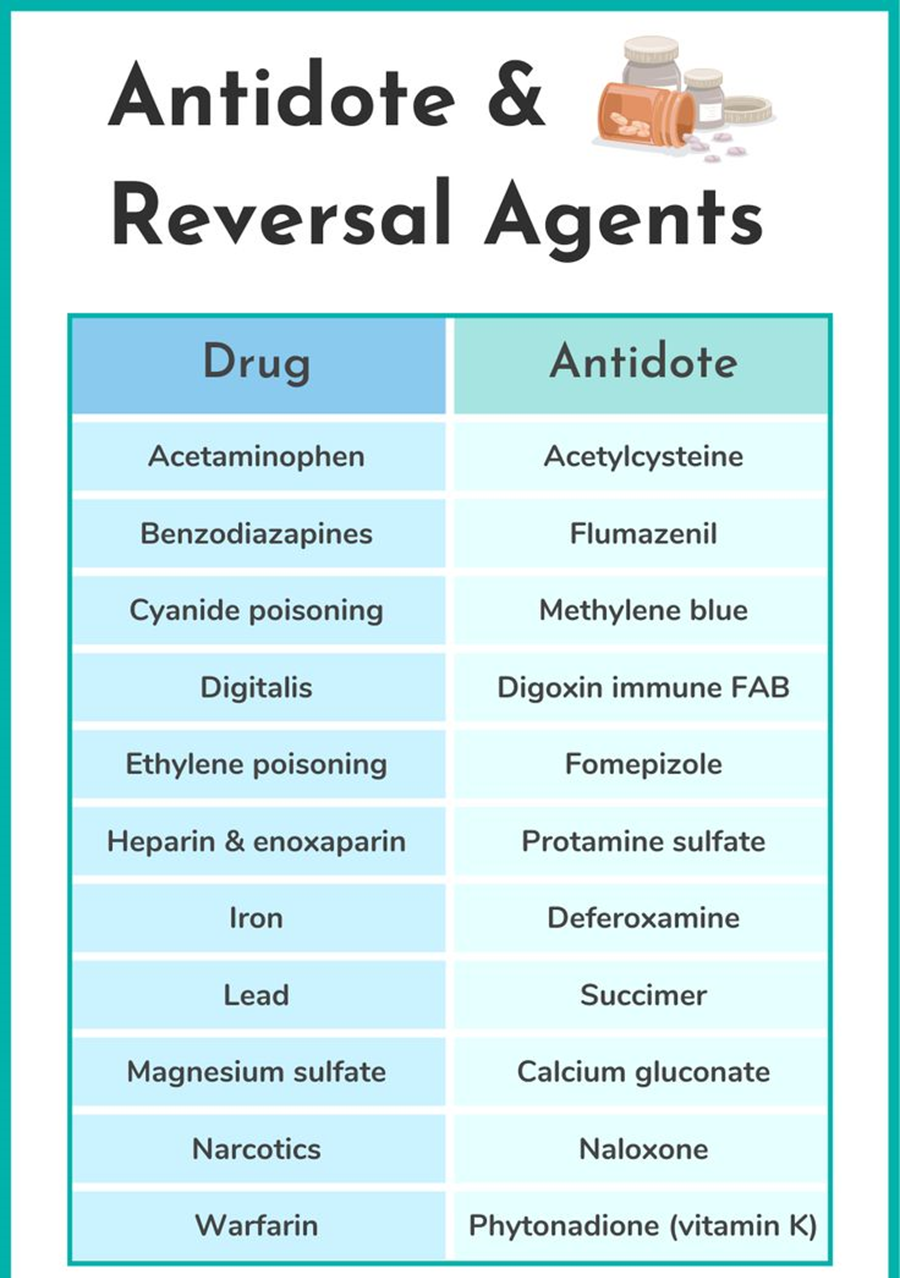
A. Factor VIII: Factor VIII is a component of the clotting cascade, but it is not the antidote for warfarin. Factor VIII is used in the treatment of hemophilia A.
B. Vitamin K: This is the correct answer. Vitamin K is the antidote for warfarin overdose. It helps in the synthesis of clotting factors.
C. IVIG (Intravenous Immunoglobulin): IVIG is not an antidote for warfarin. It is used for various immune-related conditions.
D. Factor X: Factor X is also a clotting factor, but it is not the antidote for warfarin. Factor Xa inhibitors are used as anticoagulants.
Correct Answer is D
Explanation
A. Coronary artery disease (CAD):
Coronary artery disease primarily affects the blood vessels supplying the heart muscle. Symptoms often include chest pain (angina) rather than pain in the lower extremities. The symptoms described in the scenario are not characteristic of CAD.
B. Arterial embolus:
An arterial embolus is a blood clot or debris that travels through the bloodstream and can block an artery. While it can cause decreased blood flow and pain, the presentation in the lower left leg and foot with relief of pain at rest is more suggestive of peripheral arterial disease (PAD) or intermittent claudication rather than an acute arterial embolus.
C. Raynaud disease:
Raynaud's disease is characterized by episodes of reduced blood flow to the extremities, usually triggered by cold or stress. It typically involves color changes (white, blue, red) in the fingers or toes. The symptoms described, including pain in the lower leg and foot during walking, are not typical of Raynaud's disease.
D. Intermittent claudication:
Intermittent claudication is a symptom associated with peripheral arterial disease (PAD). It involves pain or cramping in the legs during physical activity, such as walking, due to reduced blood flow to the muscles. Rest typically relieves the pain. The observation of a hairless leg and slight edema suggests potential vascular compromise in the lower extremity, supporting the diagnosis of intermittent claudication.
Whether you are a student looking to ace your exams or a practicing nurse seeking to enhance your expertise , our nursing education contents will empower you with the confidence and competence to make a difference in the lives of patients and become a respected leader in the healthcare field.
Visit Naxlex, invest in your future and unlock endless possibilities with our unparalleled nursing education contents today