
An adult patient has orders for an enema. A nurse will
Give the enema to the patient while he or she sits on the toilet.
Insert the tip of the enema tube into the rectum pointing towards the umbilicus.
Have the patient lie on the right side to facilitate the instillation of water.
Chill the water to a temperature between 75°F and 85°F.
The Correct Answer is B
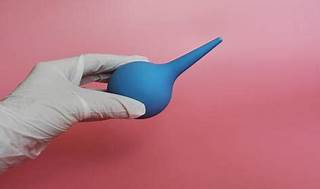
The correct answer is choice b. Insert the tip of the enema tube into the rectum pointing towards the umbilicus.
Choice A rationale:
Giving the enema while the patient sits on the toilet is incorrect because it can cause discomfort and does not allow for proper administration of the enema solution.
Choice B rationale:
Inserting the tip of the enema tube into the rectum pointing towards the umbilicus is correct because it follows the natural curvature of the rectum and colon, ensuring effective delivery of the solution.
Choice C rationale:
Having the patient lie on the right side is incorrect. The left lateral position is typically recommended for enema administration as it allows the solution to flow more easily into the sigmoid colon and descending colon.
Choice D rationale:
Chilling the water to a temperature between 75°F and 85°F is incorrect. The enema solution should be warmed to body temperature (around 99°F to 106°F) to avoid causing cramping or discomfort.
Nursing Test Bank
Naxlex Comprehensive Predictor Exams
Related Questions
Correct Answer is D
Explanation
Choice A The supine position (lying flat on the back) is not suitable for administering an enema as it does not facilitate proper flow and retention of the solution.
Choice B High Fowler's position (sitting upright at a 90degree angle) is not appropriate for enema administration, as it might cause discomfort and hinder proper administration.
Choice C Semi Fowler's position (sitting at a semiupright angle) is also not the best option for enema administration, as it may not allow the solution to flow effectively.
Choice D The Sims position, with the patient lying on the left side with the right knee flexed, allows the enema solution to flow downward by gravity and improves retention. It is the best position for enema administration.
Correct Answer is D
Explanation
Choice A This range of bowel sounds is considered normal. Hyperactive bowel sounds refer to an increased frequency and intensity of bowel sounds, exceeding the upper limit of the normal range.
Choice B Bowel sounds less than the normal range might indicate decreased bowel motility but are not associated with hyperactive bowel sounds.
Choice C Absent bowel sounds would be concerning and may indicate an ileus or other gastrointestinal issue, but it is not associated with hyperactive bowel sounds.
Choice D Hyperactive bowel sounds are characterized by an increased frequency and intensity of bowel sounds, exceeding the normal range, and are likely to be documented in a patient with abdominal pain.
Whether you are a student looking to ace your exams or a practicing nurse seeking to enhance your expertise , our nursing education contents will empower you with the confidence and competence to make a difference in the lives of patients and become a respected leader in the healthcare field.
Visit Naxlex, invest in your future and unlock endless possibilities with our unparalleled nursing education contents today