
A school nurse is planning safety education for a group of adolescents. The nurse should give priority to which of the following topics as the leading cause of death for this age group?
Motor vehicle safety
Sports injury prevention
Substance abuse prevention
Gun safety
The Correct Answer is A
Choice A reason: Motor vehicle safety is the topic that the nurse should give priority to, as it is the leading cause of death for adolescents. According to the World Health Organization (WHO), road traffic injuries are the top cause of death among 15- to 19-year-olds globally, accounting for 115 000 deaths in 2019¹. Adolescents are vulnerable road users, especially as drivers, passengers, pedestrians, cyclists, or motorcyclists. The nurse should educate the adolescents about the risk factors and prevention strategies for road traffic injuries, such as wearing seat belts, helmets, and reflective clothing, avoiding distractions, alcohol, and drugs, and following traffic rules and signs.
Choice B reason: Sports injury prevention is not the topic that the nurse should give priority to, as it is not the leading cause of death for adolescents. Sports injuries are common among adolescents, as they are physically active and participate in various sports and recreational activities. Sports injuries can cause pain, disability, or death, depending on the type, severity, and location of the injury. The nurse should educate the adolescents about the risk factors and prevention strategies for sports injuries, such as warming up, cooling down, stretching, using protective equipment, and seeking medical attention when needed.
Choice C reason: Substance abuse prevention is not the topic that the nurse should give priority to, as it is not the leading cause of death for adolescents. Substance abuse is the harmful use of psychoactive substances, such as alcohol, tobacco, or drugs, that can affect the health and well-being of adolescents. Substance abuse can cause acute or chronic effects, such as intoxication, overdose, addiction, organ damage, or mental disorders. The nurse should educate the adolescents about the risk factors and prevention strategies for substance abuse, such as avoiding peer pressure, coping with stress, seeking help, and accessing treatment.
Choice D reason: Gun safety is not the topic that the nurse should give priority to, as it is not the leading cause of death for adolescents. Gun safety is the practice of using firearms in a safe and responsible manner, to prevent accidental or intentional injuries or deaths. Gun safety can involve proper handling, storage, and disposal of firearms, as well as education and awareness about the dangers and consequences of gun violence. The nurse should educate the adolescents about the risk factors and prevention strategies for gun safety, such as avoiding access to firearms, reporting threats, and supporting non-violent solutions.
Nursing Test Bank
Naxlex Comprehensive Predictor Exams
Related Questions
Correct Answer is B
Explanation
Choice A reason: The Office of the Surgeon General is not responsible for voluntarily reporting cases of Lyme disease to the CDC. The Office of the Surgeon General provides leadership and direction to the U.S. Public Health Service and oversees the operations of the U.S. Public Health Service Commissioned Corps.
Choice B reason: The state health department is responsible for voluntarily reporting cases of Lyme disease to the CDC. The state health department collects and analyzes data on reportable diseases, such as Lyme disease, and submits them to the CDC through the National Notifiable Diseases Surveillance System (NNDSS).
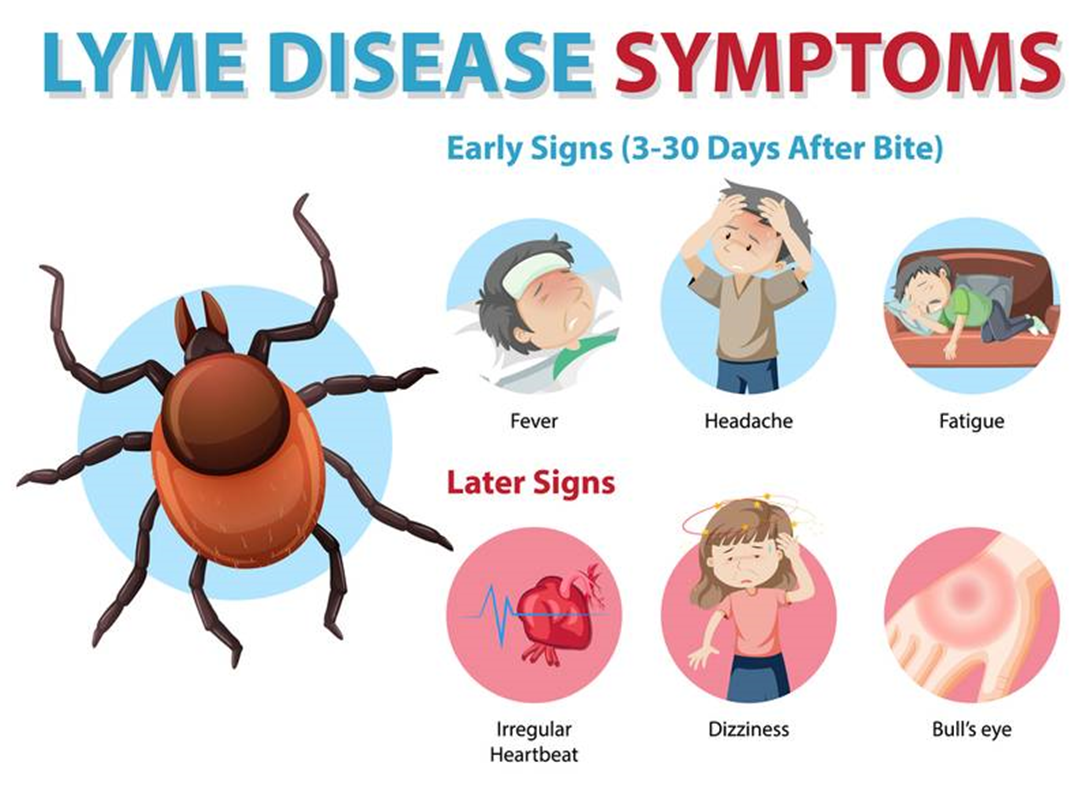
Choice C reason: The hospital infection control department is not responsible for voluntarily reporting cases of Lyme disease to the CDC. The hospital infection control department monitors and prevents nosocomial infections, or infections acquired in the hospital setting, and implements infection control policies and procedures.
Choice D reason: The local Red Cross chapter is not responsible for voluntarily reporting cases of Lyme disease to the CDC. The local Red Cross chapter provides humanitarian services, such as disaster relief, blood donation, health and safety education, and emergency communication.
Correct Answer is D
Explanation
Choice A reason: Middle Eastern cultural practices do not necessarily include hiding pain from close family members. Some Middle Eastern cultures may express pain openly and seek support from family and friends, while others may prefer to endure pain stoically and privately.
Choice B reason: Native American cultural practices do not always include being outspoken about pain. Some Native American cultures may view pain as a natural part of life and a test of endurance, while others may seek relief from pain through traditional healing methods.
Choice C reason: Puerto Rican cultural practices do not always include the view that outspoken expressions of pain are shameful. Some Puerto Rican cultures may express pain loudly and dramatically, while others may use humor and distraction to cope with pain.
Choice D reason: Asian cultural practices often include suppressing pain to avoid burdening others. Many Asian cultures value harmony, collectivism, and self-control, and may perceive pain as a sign of weakness or dishonor. They may also believe that pain has a spiritual or karmic origin and should be accepted.
Whether you are a student looking to ace your exams or a practicing nurse seeking to enhance your expertise , our nursing education contents will empower you with the confidence and competence to make a difference in the lives of patients and become a respected leader in the healthcare field.
Visit Naxlex, invest in your future and unlock endless possibilities with our unparalleled nursing education contents today