
A primary healthcare provider prescribes 25 mg per kilogram per dose of carmustine to a child with Hodgkin disease. A nurse finds that the child weighs 99 lbs. What dosage of medication should the nurse administer to the child daily?
1125 mg/dose
1237.5 mg/dose
2475 mg/dose
6544.5 mg/dose
The Correct Answer is A
First, we need to convert the weight of the child from pounds to kilograms:. 99 lb / 2.2046 = 44.91 kg (rounded to two decimal places).
Next, we can calculate the dose of carmustine:. 25 mg/kg x 44.91 kg = 1,122.75 mg.
We should always check our calculation and verify that the dose is appropriate and safe for the child. In this case, the dose of 1,122.75 mg seems reasonable for a child with Hodgkin disease..
Since the medication is prescribed daily, the nurse should administer the calculated dose of 1,122.75 mg of carmustine to the child every day.
Nursing Test Bank
Naxlex Comprehensive Predictor Exams
Related Questions
Correct Answer is D
Explanation
The patient is ordered to receive 0.5 grams of amoxicillin three times per day, which is equivalent to 500 mg per dose.
The concentration of amoxicillin is 125 mg/5 mL, which means there is 125 mg of amoxicillin in 5 mL of solution. To calculate how many milliliters per dose the nurse should administer, we can use the following formula:
500 mg / 125 mg per 5 mL = X mL X = 20 mL per dose
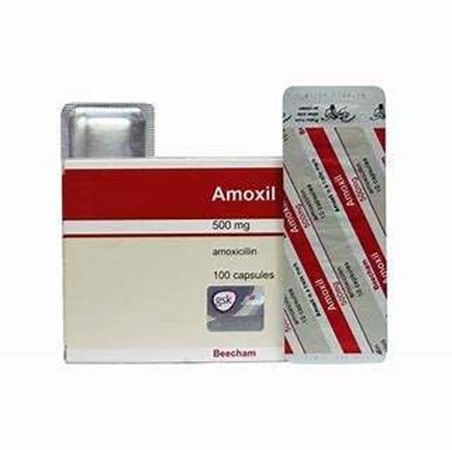
Amoxicillin is a type of antibiotic that belongs to the penicillin group of drugs. It is used to treat various bacterial infections, such as ear infections, sinus infections, throat infections, urinary tract infections, and skin infections. Amoxicillin works by interfering with the cell wall synthesis of bacteria, causing them to die or stop growing. Amoxicillin can also be used in combination with other drugs to treat stomach ulcers caused by Helicobacter pylori bacteria.
Correct Answer is A
Explanation
According to the web, intradermal injections are administered into the dermis just below the epidermis at a 5 to 15 degree angle12 This angle allows for smooth piercing of the skin and induction of the medication into the dermis.
Option B (20 to 35 degrees) is incorrect because it is too steep for an intradermal injection and may cause the medication to enter the subcutaneous layer instead of the dermis.
Option C (45 to 70 degrees) is incorrect because it is too steep for an intradermal injection and may cause the medication to enter the subcutaneous layer instead of the dermis.
Option D (90 degrees) is incorrect because it is too steep for an intradermal injection and may cause the medication to enter the muscle layer instead of the dermis.
Whether you are a student looking to ace your exams or a practicing nurse seeking to enhance your expertise , our nursing education contents will empower you with the confidence and competence to make a difference in the lives of patients and become a respected leader in the healthcare field.
Visit Naxlex, invest in your future and unlock endless possibilities with our unparalleled nursing education contents today