
A nurse observes the caregiver of a client who has Alzheimer's disease throwing magazines on the floor and crying. Which of the following actions should the case manager take first?
Offer to talk with the caregiver about their feelings.
Refer the caregiver to a local support group.
Discuss relaxation techniques with the caregiver.
Consult social services to explore counseling for the caregiver.
The Correct Answer is A
A. Offering to talk with the caregiver about their feelings provides immediate support and validation of their emotions. It allows the caregiver to express their concerns and stressors, which can help alleviate some of the caregiver's distress.
B. Referring the caregiver to a local support group is a helpful intervention but may not address the caregiver's immediate emotional needs. Offering immediate support by listening and empathizing is the first step.
C. Discussing relaxation techniques with the caregiver may be beneficial, but addressing the caregiver's emotional distress should take precedence.
D. Consulting social services to explore counseling for the caregiver is a valuable intervention, but offering immediate support by engaging in a conversation about their feelings is the most appropriate initial action.
Nursing Test Bank
Naxlex Comprehensive Predictor Exams
Related Questions
Correct Answer is A
Explanation
A. This choice demonstrates an understanding of the importance of utilizing effective coping mechanisms.
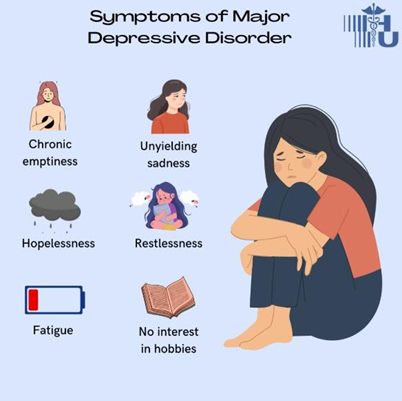
B. Depending solely on a partner to plan daily activities may indicate dependence rather than self-care.
C. Remaining in bed excessively can perpetuate depressive symptoms and hinder recovery.
D. Avoiding discussing upsetting events may prevent processing emotions and hinder progress in therapy.
Correct Answer is {"dropdown-group-1":"B","dropdown-group-2":"C"}
Explanation
Upon assessment, the nurse should recognize that the client is at risk for developing acute confusion or delirium as evidenced by the client's disorientation to time and place, inability to focus, agitation, and anxiety upon reorientation. These symptoms suggest a disruption in cerebral metabolism, which can be caused by a variety of factors such as infection, fluid or electrolyte imbalance, or medication side effects. It is crucial to identify the underlying cause to provide appropriate care and prevent further complications. The nurse's role includes monitoring the patient's mental status, ensuring safety, and implementing therapeutic interventions to create a calming environment.
Whether you are a student looking to ace your exams or a practicing nurse seeking to enhance your expertise , our nursing education contents will empower you with the confidence and competence to make a difference in the lives of patients and become a respected leader in the healthcare field.
Visit Naxlex, invest in your future and unlock endless possibilities with our unparalleled nursing education contents today