
A nurse is teaching a newly licensed nurse about expired medications.
Which of the following instructions should the nurse include in the teaching?
Return the medications to the pharmacy.
Flush the medications down the toilet.
Place the medications back in the medication cart.
Notify the provider about the expired medications.
The Correct Answer is A
Expired medications should not be used and should be disposed of properly. The best way to do this is to return them to the pharmacy for proper disposal.
Choice B is wrong because flushing medications down the toilet can contaminate the water supply and harm the environment.
Choice C is wrong because expired medications should not be placed back in the medication cart as they may accidentally be used.
Choice D is wrong because notifying the provider about expired medications is not necessary as it is the responsibility of the nurse to properly dispose of them.
Nursing Test Bank
Naxlex Comprehensive Predictor Exams
Related Questions
Correct Answer is D
Explanation
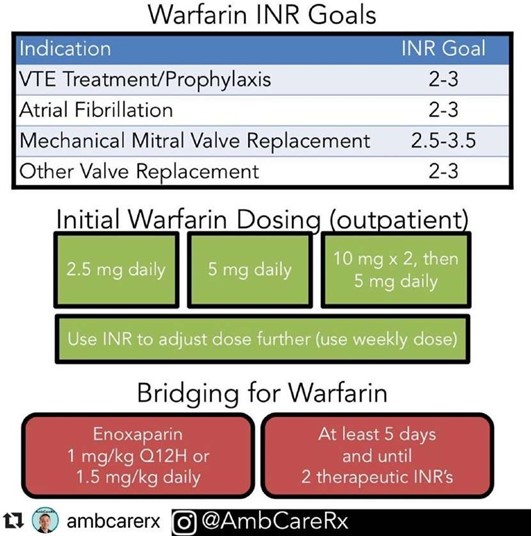
A client who has deep-vein thrombosis and is taking warfarin should obtain an International Normalized Ratio (INR) test monthly.
This blood test measures how fast the blood clots and helps the healthcare provider determine if the client is taking the right dose of warfarin to keep them safe from bleeding and making clots.
Choice A is wrong because Platelet count, is not the correct answer because it measures the number of platelets in the blood and is not specifically related to warfarin therapy.
Choice B is wrong because aPTT, is not the correct answer because it measures the time it takes for blood to clot and is used to monitor heparin therapy, not warfarin therapy.
Choice C is wrong because Fibrinogen, is not the correct answer because it measures the amount of fibrinogen in the blood and is not specifically related to warfarin therapy.
Correct Answer is B
Explanation
The correct answer is Choice B.
Choice A rationale:
Documenting the administration of the medication is crucial for maintaining accurate records and ensuring accountability. However, it is not the first action to take. The priority is to ensure the correct patient receives the correct medication.
Choice B rationale:
Identifying the client using two identifiers is the first and most critical step. This action ensures that the right patient receives the right medication, thereby minimizing the risk of medication errors.
Choice C rationale:
Comparing the amount of medication available to the inventory record is important for maintaining accurate inventory and preventing misuse or theft of controlled substances. However, this is not the first step in the process of administering medication to a patient in pain.
Choice D rationale:
Removing the medication from the medication dispensing cabinet is part of the process, but it should only be done after the patient has been properly identified to avoid any potential errors.
Whether you are a student looking to ace your exams or a practicing nurse seeking to enhance your expertise , our nursing education contents will empower you with the confidence and competence to make a difference in the lives of patients and become a respected leader in the healthcare field.
Visit Naxlex, invest in your future and unlock endless possibilities with our unparalleled nursing education contents today