
A nurse is teaching a group of newly licensed nurses about the Braden scale. Which of the following responses by a newly licensed nurse indicates an understanding of the teaching?
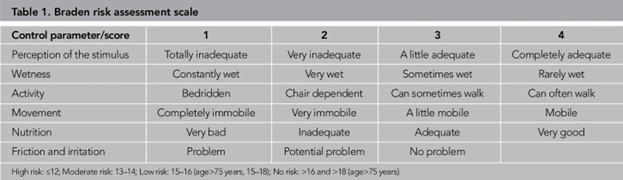
"Each element has a range from one to five points."
"The client's age is part of the measurement."
"The higher the score, the higher the pressure injury risk
The scale measures six elements
The Correct Answer is D
The Braden scale is a commonly used tool for assessing a patient's risk of developing pressure injuries (also known as pressure ulcers or bedsores). It evaluates six specific elements to determine the patient's risk level. These elements include sensory perception, moisture, activity, mobility, nutrition, and friction/shear. Each element is assessed and assigned a score, with a lower score indicating a higher risk for developing pressure injuries.
Nursing Test Bank
Naxlex Comprehensive Predictor Exams
Related Questions
Correct Answer is A
Explanation
A. Assault: Assault is defined as an intentional threat to cause bodily harm to another person, coupled with an apparent ability to cause the harm. The AP's statement "If you do not remain in bed, I will place you in restraints" constitutes a threat that instills fear of harm or unwanted physical contact in the client, even if no physical contact occurs.
B. False imprisonment: This involves unlawfully restricting a person's freedom of movement. While the AP's threat could lead to false imprisonment if carried out, the statement itself is considered assault.
C. Defamation of character: This involves making false statements that harm another person's reputation. The AP's statement does not involve false statements about the client.
D. Battery: This involves actual physical contact or harm. Since the AP has not physically touched the client, battery has not occurred.
Correct Answer is B
Explanation
Advance directives are legal documents that allow individuals to express their healthcare preferences and decisions in advance, particularly if they become unable to communicate or make decisions for themselves. When teaching a client about advance directives, it is important to provide comprehensive information to ensure understanding and informed decision-making. Providing written information about advance directives prior to signing allows the client to review and consider the details of the documents and make informed choices.
Whether you are a student looking to ace your exams or a practicing nurse seeking to enhance your expertise , our nursing education contents will empower you with the confidence and competence to make a difference in the lives of patients and become a respected leader in the healthcare field.
Visit Naxlex, invest in your future and unlock endless possibilities with our unparalleled nursing education contents today