
A nurse is teaching a client who has Parkinson's disease and is prescribed a monoamine oxidase inhibitor. Which of the following instructions should the nurse include?
"Reduce intake of high-calorie foods."
"Do not eat grapefruit while taking this medication."
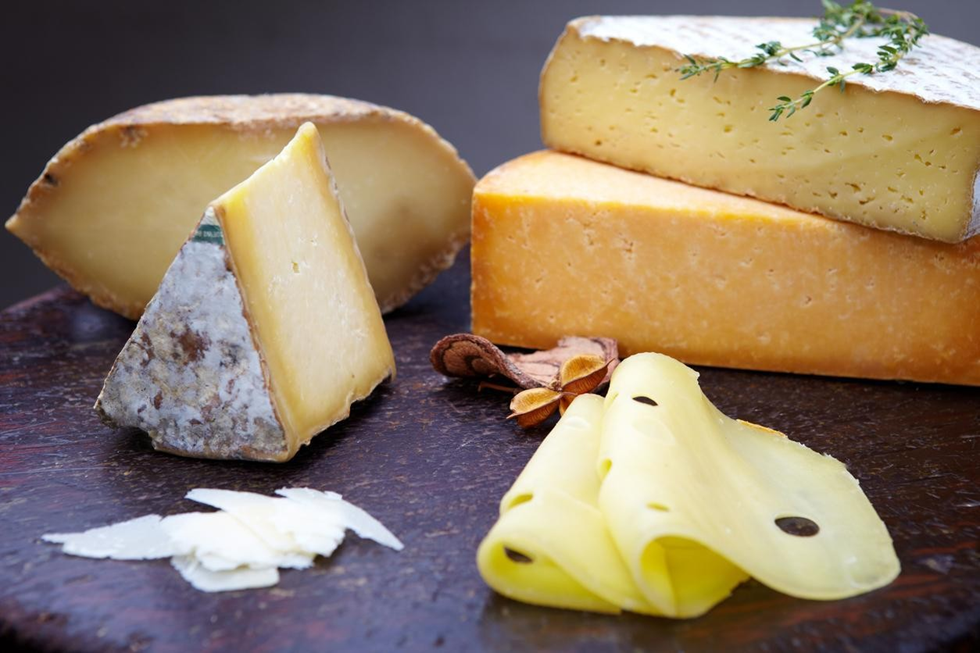
"Avoid aged cheeses while taking this medication."
"Maintain a low-protein diet."
The Correct Answer is C
A. Parkinson's disease and monoamine oxidase inhibitors (MAOIs) do not typically require a reduction in intake of high-calorie foods. In fact, maintaining adequate nutrition and calorie intake is important for individuals with Parkinson's disease.
B. Grapefruit is not typically contraindicated with monoamine oxidase inhibitors. However, it's important for the client to discuss any potential interactions between grapefruit and their specific medication with their healthcare provider.
C. Aged cheeses contain tyramine, a substance that can interact with MAOIs and lead to hypertensive crisis. Therefore, individuals taking MAOIs should avoid aged cheeses to prevent this interaction.
D. Maintaining a low-protein diet is not typically recommended for individuals with Parkinson's disease or those taking MAOIs. In fact, adequate protein intake is important for overall health and muscle function.
Nursing Test Bank
Naxlex Comprehensive Predictor Exams
Related Questions
Correct Answer is A
Explanation
A. A hoarse voice can indicate difficulty swallowing or dysphagia, as aspiration of food or liquid into the airway can cause irritation and inflammation of the vocal cords.
B. Expressive aphasia is a language disorder characterized by difficulty expressing language verbally or in writing and is not directly related to dysphagia.
C. Continuous smiling is not typically associated with dysphagia and may indicate a different neurological or psychological issue.
D. Weight gain is not a direct manifestation of dysphagia but may occur due to other factors such as decreased mobility or changes in dietary habits.
Correct Answer is ["B","C"]
Explanation
A. Legumes are a good source of protein but are considered an incomplete protein because they do not contain all essential amino acids.
B. Poultry is a complete protein as it contains all essential amino acids necessary for the human body.
C. Eggs are also a complete protein, providing all essential amino acids.
D. Nuts, similar to legumes, are an incomplete protein because they lack one or more of the essential amino acids.
E. Grains are typically incomplete proteins as they do not have all the essential amino acids that the body requires. However, when combined with other incomplete proteins, they can provide a complete protein profile.
Whether you are a student looking to ace your exams or a practicing nurse seeking to enhance your expertise , our nursing education contents will empower you with the confidence and competence to make a difference in the lives of patients and become a respected leader in the healthcare field.
Visit Naxlex, invest in your future and unlock endless possibilities with our unparalleled nursing education contents today