
A nurse is teaching a client who has fibromyalgia about self-care strategies for managing the disorder. Which of the following information should the nurse include in the teaching?
Avoid exercise during flare-ups.
Establish a regular sleep pattern.
Increase calcium intake.
Engage in yoga or running between flare-ups.
The Correct Answer is B
Choice A reason : Avoiding exercise during flare-ups of fibromyalgia may seem intuitive to prevent exacerbating pain and fatigue. However, maintaining a gentle exercise routine, even during flare-ups, can help manage symptoms and prevent deconditioning¹.
Choice B reason : Establishing a regular sleep pattern is crucial for managing fibromyalgia. Poor sleep can exacerbate pain, fatigue, and cognitive difficulties commonly experienced with this condition. Good sleep hygiene practices can improve sleep quality and overall symptom management¹.
Choice C reason : While adequate calcium intake is essential for general health, there is no specific indication that increasing calcium intake alone would manage fibromyalgia symptoms. Nutritional needs should be addressed as part of a comprehensive approach to self-care¹.
Choice D reason : Yoga or running between flare-ups can be beneficial for clients with fibromyalgia. Regular exercise, including yoga, can improve pain, function, and quality of life. Running or other aerobic exercises can also be helpful if tolerated and done in moderation¹.
Nursing Test Bank
Naxlex Comprehensive Predictor Exams
Related Questions
Correct Answer is A
Explanation
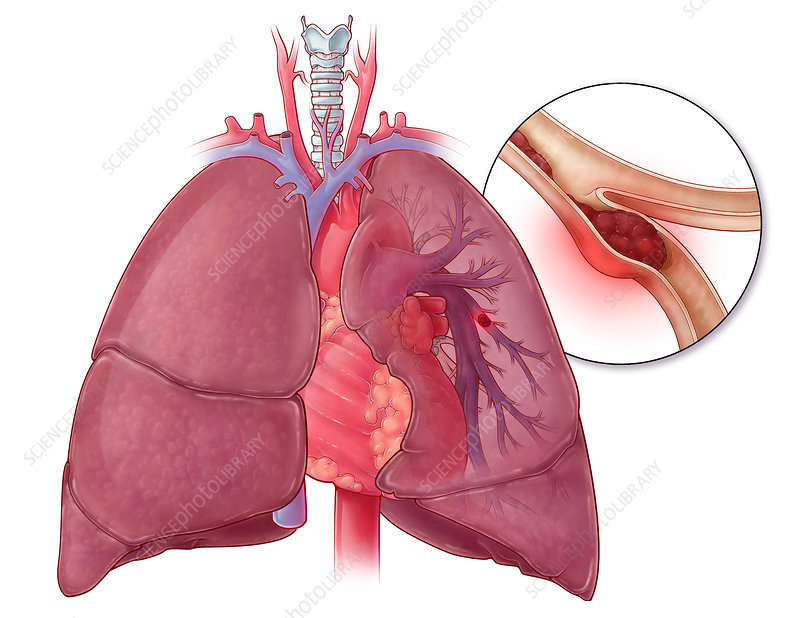
Choice A reason : The symptoms described for the 40-year-old woman align closely with the clinical presentation of a pulmonary embolism. Swelling and pain in the calf may indicate deep vein thrombosis (DVT), which can lead to PE. The presence of chest pain, difficulty breathing, rapid heart rate (tachycardia), and rapid breathing (tachypnea) are hallmark signs of PE³⁴.
Choice B reason : While the 60-year-old man is experiencing fatigue, which can be a symptom of many conditions, there is no direct indication of PE. Acute kidney injury (AKI) after IV antibiotics suggests a different pathophysiology unrelated to PE.
Choice C reason : The 30-year-old man's refusal to ambulate or wear compression stockings after surgery increases his risk for DVT and subsequently PE; however, he does not currently exhibit symptoms that are as indicative of PE as the 40-year-old woman.
Choice D reason : The 55-year-old woman's symptoms could suggest a cardiac event, such as a heart attack, especially with the radiating jaw pain. While PE can present with similar symptoms, the radiating pain is more characteristic of cardiac issues³.
Correct Answer is ["A","B","C","D"]
Explanation
Choice A reason : Pupillary changes, such as unequal pupil sizes or a sluggish reaction to light, can be a sign of increased ICP. The cranial nerves that control the pupils may be compressed due to the swelling of the brain, leading to these changes¹.
Choice B reason : Disorientation, including confusion and changes in alertness, can occur with increased ICP as the pressure affects the brain's ability to process information and maintain consciousness².
Choice C reason : Headache is a common symptom of increased ICP. It can be severe and persistent due to the pressure exerted on the meninges and blood vessels within the brain³.
Choice D reason : Slurred speech may result from increased ICP if the areas of the brain responsible for speech and muscle control are affected by the pressure².
Choice E reason : Neck pain and stiffness, particularly when trying to flex the neck forward, can be indicative of meningeal irritation, which can be associated with increased ICP⁴.
Whether you are a student looking to ace your exams or a practicing nurse seeking to enhance your expertise , our nursing education contents will empower you with the confidence and competence to make a difference in the lives of patients and become a respected leader in the healthcare field.
Visit Naxlex, invest in your future and unlock endless possibilities with our unparalleled nursing education contents today