
A nurse is teaching a client who has chronic kidney disease and a new prescription for epoetin alfa. The nurse should instruct the client to increase dietary intake of which of the following substances?
Sodium
Iron
Potassium
Protein
The Correct Answer is B
A. Increasing sodium intake is generally not recommended in chronic kidney disease, as it can exacerbate hypertension and fluid retention.
B. Epoetin alfa is a medication used to treat anemia associated with chronic kidney disease, and iron supplementation is often necessary to support erythropoiesis.
C. Potassium intake may need to be restricted in chronic kidney disease, especially in later stages when kidney function declines.
D. Protein intake may need to be adjusted in chronic kidney disease, but it's not directly related to the prescription of epoetin alfa.
Nursing Test Bank
Naxlex Comprehensive Predictor Exams
Related Questions
Correct Answer is B
Explanation
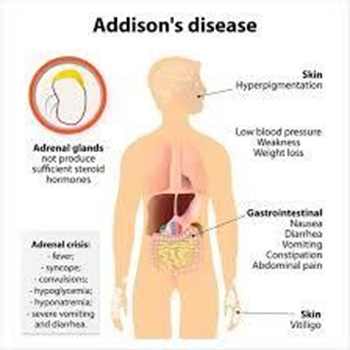
A. Intention tremors are not typically associated with Addison's disease.
B. Hyperpigmentation, particularly in sun-exposed areas and pressure points, is a characteristic finding in Addison's disease due to increased melanocyte-stimulating hormone (MSH) production.
C. Purple striations are typically associated with Cushing's syndrome, not Addison's disease.
D. Hirsutism (excessive hair growth) is not a common manifestation of Addison's disease. It is more associated with Cushing’s disease.
Correct Answer is A
Explanation
A. A urine output of 175 ml over 8 hours indicates oliguria, which can be concerning in a client with impaired renal function. It suggests decreased kidney function and inadequate elimination of waste products and fluids, necessitating prompt notification of the healthcare provider.
B. This amount of urine output over 24 hours is within normal range and does not typically warrant immediate notification unless there are other concerning symptoms.
C. Cloudy urine may indicate the presence of urinary tract infection or other issues, but it alone may not require immediate notification of the provider.
D. While strong-smelling urine can be indicative of various conditions, it alone may not necessitate immediate provider notification unless accompanied by other concerning symptoms.
Whether you are a student looking to ace your exams or a practicing nurse seeking to enhance your expertise , our nursing education contents will empower you with the confidence and competence to make a difference in the lives of patients and become a respected leader in the healthcare field.
Visit Naxlex, invest in your future and unlock endless possibilities with our unparalleled nursing education contents today