
A nurse is reviewing the medical record of a client who is to undergo open heart surgery. Which of the following findings should the nurse report to the provider as a contraindication to receiving heparin?
COPD
Thalassemia
Thrombocytopenia
Rheumatoid arthritis
The Correct Answer is C
Choice A Reason:
COPD (Chronic Obstructive Pulmonary Disease) - While COPD might influence the choice of anaesthesia and perioperative management, it is not a direct contraindication to heparin.
Choice B Reason:
Thalassemia - Thalassemia is a genetic blood disorder that affects haemoglobin production and the structure of red blood cells. It does not directly impact the ability to receive heparin.
Choice C Reason:
Thrombocytopenia. Thrombocytopenia, which is a low platelet count, is a contraindication to receiving heparin, an anticoagulant. Heparin works by preventing the formation of blood clots, but if a person has a low platelet count, their ability to form blood clots is already compromised. Administering heparin in this situation could increase the risk of bleeding and further reduce platelet count.
Choice D Reason:
Rheumatoid arthritis - Rheumatoid arthritis is an autoimmune condition affecting joints. It is not a contraindication to heparin use, but the client's overall health and medications should be considered when planning surgery and anticoagulant therapy.
Nursing Test Bank
Naxlex Comprehensive Predictor Exams
Related Questions
Correct Answer is A
Explanation
Choice A reason:
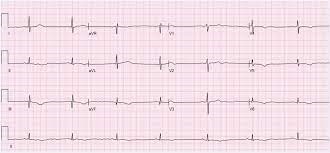
Measuring the client's blood pressure is appropriate. Assessing the client's blood pressure is a crucial initial step to determine the client's perfusion status and the impact of the bradycardia on their circulation. Sinus bradycardia can result in decreased cardiac output and compromised blood flow to various organs. Measuring the blood pressure helps the nurse evaluate the severity of the bradycardia and its potential effects on the client's overall condition.
Choice B Reason:
Administering atropine to the client is inappropriate. Atropine is a medication that can be used to increase heart rate in bradycardic situations. However, assessing blood pressure comes first to ensure that the blood pressure isn't critically low before administering medications.
Choice C reason:
Initiating IV fluid therapy for the client is inappropriate. Fluid therapy might be necessary to improve perfusion in certain cases, but assessing blood pressure should be done first to guide treatment decisions.
Choice D Reason:
Preparing the client for temporary pacing is inappropriate Temporary pacing might be required in severe cases of bradycardia, but again, assessing blood pressure takes priority to determine the urgency of intervention.
Correct Answer is B
Explanation
Choice A Reason:
Placing the client in a protective environment is not necessary for C. difficile gastroenteritis. Standard precautions, including diligent hand hygiene and appropriate personal protective equipment, are sufficient.
Choice B Reason:
Obtain a stool specimen with gloves is necessary. Obtaining a stool specimen with gloves is an appropriate nursing action when caring for a client with Clostridium difficile (C. difficile) gastroenteritis. C. difficile is a bacterium that can cause diarrhea and other gastrointestinal symptoms. It's important to follow infection control practices to prevent the spread of the bacteria.
Choice C Reason:
Cleaning surfaces with chlorhexidine is not the preferred disinfectant for C. difficile. Sporicidal agents, such as bleach-based solutions, are recommended to effectively kill the spores of C. difficile.
Choice D Reason:
Washing hands with alcohol-based hand rub is not sufficient for C. difficile. C. difficile spores are resistant to alcohol-based hand sanitizers, so using soap and water for handwashing is recommended to ensure proper removal of the spores.
Whether you are a student looking to ace your exams or a practicing nurse seeking to enhance your expertise , our nursing education contents will empower you with the confidence and competence to make a difference in the lives of patients and become a respected leader in the healthcare field.
Visit Naxlex, invest in your future and unlock endless possibilities with our unparalleled nursing education contents today