
A nurse is reviewing the medical record of a client who asks about the use of magnet therapy for pain relief. The nurse should identify that which of the following findings is a contraindication for receiving this type of therapy?
The client has an implanted defibrillator.
The client is allergic to penicillin.
The client has a history of alcohol use disorder.
The client has a prescription for metoprolol.
The Correct Answer is A
Choice A reason
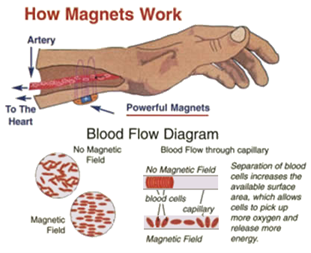
The client has an implanted defibrillator is the correct answer. Magnet therapy involves the use of magnets to alleviate pain and promote healing. However, it is contraindicated for individuals with implanted electronic devices, such as pacemakers or defibrillators, as the magnetic field could potentially interfere with the functioning of these devices. The safety of using magnet therapy with implanted devices has not been established, and caution is advised.
Choice B reason:
Allergic to penicillin is incorrect. Allergies to penicillin or other substances are not related to the use of magnet therapy.
Choice C reason:
The history of alcohol use disorder is incorrect. A history of alcohol use disorder does not directly contraindicate the use of magnet therapy.
Choice D reason:
The prescription for metoprolol is incorrect. Metoprolol is a common medication used to treat various conditions, including hypertension and certain heart conditions. It is not a contraindication for magnet therapy.
Nursing Test Bank
Naxlex Comprehensive Predictor Exams
Related Questions
Correct Answer is D
Explanation
Choice A reason:
Mixing medications together in a single syringe is not recommended unless specifically approved by a pharmacist or healthcare provider, as some medications may interact with each other and cause adverse effects or reduced efficacy.
Choice B reason:
Medications should not be combined with the formula in the feeding bag. This can alter the effectiveness of both the medications and the feeding formula.
Choice C reason:
Flushing the NG tube with 5 mL of sterile water is generally not enough. The tube should be flushed with a sufficient amount of water (usually 15-30 mL) before and after administering medications to ensure that the medications are delivered properly and to prevent clogging.
Choice D reason:
Each medication should be diluted with sterile water to ensure it can pass through the NG tube without clogging and to facilitate proper absorption.
Correct Answer is B
Explanation
Choice A reason:
Sodium 140 mEq/L is incorrect because it falls within the normal range (135-145 mEq/L).
Choice B reason:
A potassium level of 5.8 mEq/L is appropriate because it is above the normal range (typically around 3.5-5.0 mEq/L). Elevated potassium levels, known as hyperkalaemia, can lead to serious cardiac disturbances, including arrhythmias or even cardiac arrest. It is important to notify the healthcare provider promptly so that appropriate interventions can be initiated to address the high potassium level.
Choice C reason:
Calcium 9.6 mg/dL is incorrect because it is within the normal range (8.5-10.5 mg/dL).
Choice D reason:
Magnesium 1.9 mEq/L is incorrect because it is within the normal range (1.5-2.5 mEq/L).
Whether you are a student looking to ace your exams or a practicing nurse seeking to enhance your expertise , our nursing education contents will empower you with the confidence and competence to make a difference in the lives of patients and become a respected leader in the healthcare field.
Visit Naxlex, invest in your future and unlock endless possibilities with our unparalleled nursing education contents today