
A nurse is reviewing the laboratory results of a newborn. Which of the following findings should the nurse report to the provider?
Hemoglobin 16 g/dL
Hematocrit 48%
Platelets 100,000/mm3
Blood glucose 58 mg/dL
The Correct Answer is C
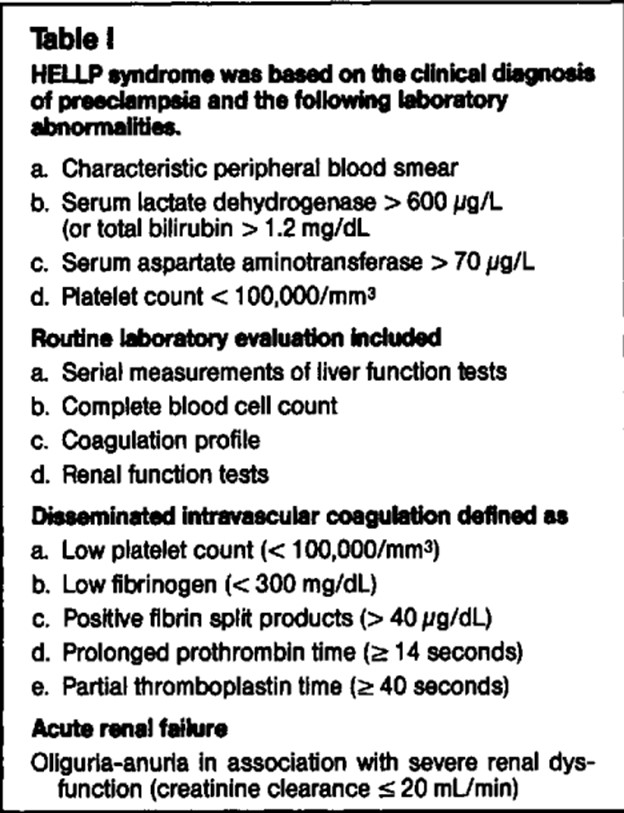
The nurse should report a platelet count of 60,000/mm to the provider as this value is below the normal range and can indicate severe preeclampsia or HELLP syndrome, both of which are serious conditions that require immediate medical intervention. The other values are within normal range for pregnancy.
Nursing Test Bank
Naxlex Comprehensive Predictor Exams
Related Questions
Correct Answer is D
Explanation
The nonstress test is a screening tool that assesses fetal well-being. It is performed by monitoring the fetal heart rate (FHR) and uterine contractions (UC) while the client is at rest. The test is considered reactive if there are two or more accelerations of the FHR that reach a certain level above the baseline and last for at least 15 seconds over a 20-min period.
The presence of irregular contractions that are not felt by the client is a finding that is concerning because it could be a sign of uterine hyperstimulation, which can lead to fetal distress. Further diagnostic testing may be needed to assess fetal well-being in this situation.
Option A indicates that the client felt fetal movements during the testing period. This is a reassuring finding because fetal movements are a sign of fetal well-being.
Option B indicates that there were no late decelerations in the FHR with uterine contractions. This is a reassuring finding because late decelerations are a sign of fetal compromise.
Option C indicates that there was an acceleration of the FHR in response to fetal movement. This is a reassuring finding because it indicates that the fetus is capable of responding to stimuli.
Correct Answer is A
Explanation
An episiotomy is a surgical incision made in the perineum to enlarge the vaginal opening during delivery. A midline episiotomy is an incision made in the midline of the perineum, which has been associated with a higher risk of infection than a mediolateral episiotomy.
Option B is incorrect because meconium-stained fluid does not necessarily place the postpartum client at increased risk for infection. However, it can indicate that the fetus was stressed during delivery and may require additional monitoring after birth.
Option C is also incorrect because gestational hypertension, while it can lead to complications during pregnancy and delivery, does not necessarily place the postpartum client at increased risk for infection.
Option D is also incorrect because placenta previa is a condition in which the placenta is low-lying and can partially or completely cover the cervix. It can cause bleeding during pregnancy and delivery but does not necessarily place the postpartum client at increased risk for infection.
Whether you are a student looking to ace your exams or a practicing nurse seeking to enhance your expertise , our nursing education contents will empower you with the confidence and competence to make a difference in the lives of patients and become a respected leader in the healthcare field.
Visit Naxlex, invest in your future and unlock endless possibilities with our unparalleled nursing education contents today