
A nurse is reviewing orders for a patient in anaphylactic shock. Which medication should the nurse plan to administer first?
Glucose Dextrose Oral (GDO)
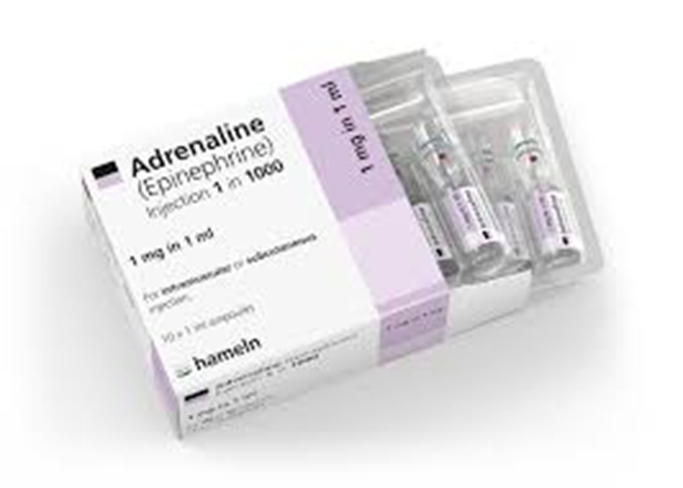
Epinephrine (Adrenaline)
Dexamethasone (Decadron)
0.9% Normal Saline
The Correct Answer is B
Choice A reason: Glucose Dextrose Oral (GDO) is not typically used in the immediate management of anaphylactic shock. Anaphylaxis requires rapid treatment to address severe allergic reactions and GDO does not play a role in this emergency situation.
Choice B reason: Epinephrine (Adrenaline) is the first-line treatment for anaphylactic shock. It works quickly to improve breathing, stimulate the heart, raise a dropping blood pressure, reverse hives, and reduce swelling of the face, lips, and throat.
Choice C reason: Dexamethasone (Decadron) is a corticosteroid that may be used in the treatment of anaphylaxis to reduce inflammation. However, it is not the first medication administered due to its slower onset of action compared to epinephrine.
Choice D reason: 0.9% Normal Saline is used for intravenous fluid resuscitation in anaphylactic shock but is secondary to the administration of epinephrine. It helps to maintain blood pressure and is important in the overall management but not the first medication given.
Nursing Test Bank
Naxlex Comprehensive Predictor Exams
Related Questions
Correct Answer is B
Explanation
Choice A reason: Telling a family to limit discussing past events with the client may not be culturally sensitive. Each culture has its own views on reminiscing and sharing memories, especially during end-of-life care. Some cultures value the sharing of stories and memories as a way to honor the individual's life.
Choice B reason: Saying "We will respect what is important to you" is a statement that acknowledges and incorporates the client's and family's cultural beliefs. It shows a willingness to understand and prioritize their values, customs, and preferences in the care plan. This approach is aligned with culturally competent care, which is crucial in hospice settings.
Choice C reason: Offering to arrange all burial services may overstep boundaries, as burial practices are deeply rooted in cultural and religious beliefs. It is important for healthcare providers to discuss and understand the family's wishes and provide support in accordance with their specific cultural practices.
Choice D reason: Advising that grieving should not be done in front of the client may not align with the family's cultural beliefs about expressing emotions and grief. Different cultures have varied expressions of grief, and it is essential to respect these practices. Some cultures view the open expression of grief as an important part of the mourning process.
Correct Answer is A
Explanation
Choice A reason: Including more cantaloupe in the diet is a good practice for a client on furosemide therapy. Cantaloupe is high in potassium, and furosemide can cause hypokalemia (low potassium levels) as it is a potent diuretic that increases urine production and the excretion of various electrolytes, including potassium. Therefore, consuming foods rich in potassium can help counteract this potential adverse effect.
Choice B reason: Checking the pulse before taking the medication is a general safety measure but does not directly relate to a specific adverse effect of furosemide. While it's important to monitor heart rate, especially in clients with heart failure, this statement does not reflect an understanding of the adverse effects related to furosemide.
Choice C reason: Trying to limit foods that contain salt is an appropriate action for a client with heart failure but is not directly related to an adverse effect of furosemide. Reducing salt intake can help manage heart failure by preventing fluid retention; however, it does not address the specific adverse effects of furosemide therapy.
Choice D reason: Checking blood pressure to ensure it doesn't get too high is important for clients with heart failure but does not indicate an understanding of the adverse effects of furosemide. Furosemide is used to reduce excess fluid in the body, which can lower blood pressure, not increase it. This statement does not reflect an understanding of furosemide's potential to cause electrolyte imbalances.
Whether you are a student looking to ace your exams or a practicing nurse seeking to enhance your expertise , our nursing education contents will empower you with the confidence and competence to make a difference in the lives of patients and become a respected leader in the healthcare field.
Visit Naxlex, invest in your future and unlock endless possibilities with our unparalleled nursing education contents today