
A nurse is reinforcing teaching about seizure management with the family of a client who has a seizure disorder. Which of the following statements by a family member indicates an understanding of the teaching?
"I will gently restrain him during seizures."
"I will loosen his clothing during seizures."
"I will insert a washcloth in his mouth during seizures."
"I will turn him on his back during seizures."
The Correct Answer is B
A. "I will gently restrain him during seizures."- Restraint during seizures can cause injury and is not recommended.
B. "I will loosen his clothing during seizures."- Loosening tight clothing helps prevent injury and ensures adequate ventilation during a seizure.
C. "I will insert a washcloth in his mouth during seizures."- Inserting objects into the mouth during a seizure can cause injury or obstruct the airway.
D. "I will turn him on his back during seizures."- Placing the client on their back during a seizure can increase the risk of aspiration. The recovery position is preferred
Nursing Test Bank
Naxlex Comprehensive Predictor Exams
Related Questions
Correct Answer is C
Explanation
A) Add 0.5 mL of diluent to the medication. - This action is not appropriate for administering medication from an ampule since the diluent may alter the concentration and dosage of the medication.
B) Inject air into the ampule prior to drawing the medication into a syringe. - Injecting air into the ampule is unnecessary and may cause contamination.
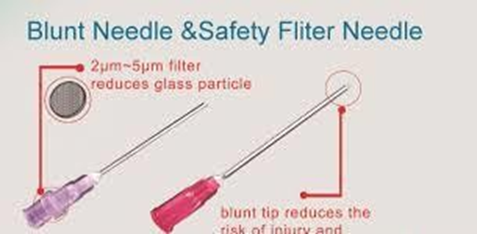
C) Use a filter needle to aspirate the medication. - Filter needles can prevent glass particles from being drawn into the syringe when aspirating medication from an ampule.
D) Cleanse the tip of the ampule with an alcohol swab after opening. – This action is unnecessary and may contaminate the medication.
Correct Answer is D
Explanation
A. Hypocalcemia- Vomiting and diarrhea can lead to fluid and electrolyte losses, but hypocalcemia is not a common finding in this scenario.
B. Hypermagnesemia- Hypermagnesemia is unlikely in the context of vomiting and diarrhea, as these conditions typically result in magnesium loss.
C. Hyperkalemia- Vomiting and diarrhea can lead to potassium loss, making hyperkalemia less likely.
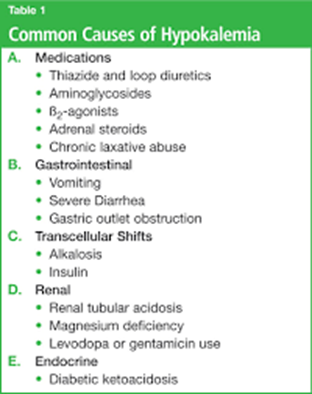
D. Hypokalemia- Vomiting and diarrhea can cause potassium depletion, leading to hypokalemia. This electrolyte imbalance is commonly seen in clients with gastrointestinal losses.
Whether you are a student looking to ace your exams or a practicing nurse seeking to enhance your expertise , our nursing education contents will empower you with the confidence and competence to make a difference in the lives of patients and become a respected leader in the healthcare field.
Visit Naxlex, invest in your future and unlock endless possibilities with our unparalleled nursing education contents today