
A nurse is providing teaching to the parents of an infant who is to undergo pilocarpine iontophoresis testing for cystic fibrosis.
Which of the following statements should the nurse include in the teaching?
"A nurse will insert an IV prior to the test.”
"We will measure the amount of protein in your baby's urine over a 24 hour period.”
"The test will measure the amount of chloride in your baby's sweat.”
"Your baby will need to fast for 8 hours prior to the test.”
The Correct Answer is C
Pilocarpine iontophoresis is a test used to diagnose cystic fibrosis by measuring the amount of chloride in a person’s sweat.
Choice A is wrong because an IV is not necessary for this test.
Choice B is wrong because the test measures chloride in sweat, not protein in urine.
Choice D is wrong because fasting is not required for this test.
Nursing Test Bank
Naxlex Comprehensive Predictor Exams
Related Questions
Correct Answer is {"xRanges":[140.765625,170.765625],"yRanges":[113.609375,143.609375]}
Explanation
The correct answer is choice B. The patent ductus arteriosus (PDA) is a vascular structure that connects the proximal descending aorta to the roof of the main pulmonary artery near the origin of the left branch pulmonary artery.
This essential fetal structure normally closes spontaneously after birth. After the first few weeks of life, persistence of ductal patency is abnormal.
Correct Answer is B
Explanation
The nurse should first implement droplet precautions for the child.
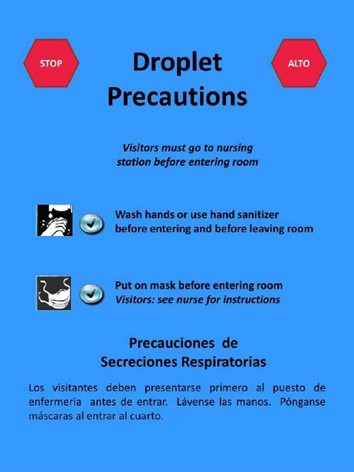
Bacterial meningitis can be spread through respiratory and throat secretions, so it is important to take precautions to prevent the spread of infection.
Choice A is wrong because while a lumbar puncture may be necessary for diagnosis, preventing the spread of infection is a higher priority.
Choice C is wrong because while dimming the lights may provide comfort, preventing the spread of infection is a higher priority.
Choice D is wrong because while administering an antipyretic may provide comfort, preventing the spread of infection is a higher priority.
Whether you are a student looking to ace your exams or a practicing nurse seeking to enhance your expertise , our nursing education contents will empower you with the confidence and competence to make a difference in the lives of patients and become a respected leader in the healthcare field.
Visit Naxlex, invest in your future and unlock endless possibilities with our unparalleled nursing education contents today