
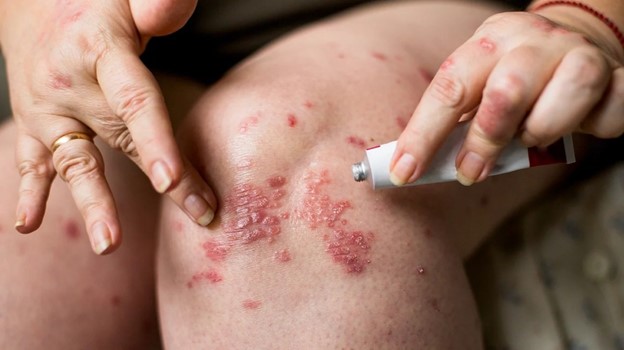
A nurse is providing teaching to a parent of a preschooler who has eczema.
Which of the following instructions should the nurse include in the teaching?
Dress the child in woolen clothes during cold months.
Launder the child's clothing with fabric softener.
Give the child a bubble bath every day.
Apply a topical corticosteroid ointment to the affected area.
The Correct Answer is D
Treatment of eczema may start with regular moisturizing and other self-care habits.
If these don’t help, a healthcare provider might suggest medicated creams that control itching and help repair skin.
Choice A is not correct because woolen clothes can irritate the skin and worsen
eczema.
Choice B is not correct because fabric softeners can irritate the skin and worsen
eczema.
Choice C is not correct because bubble baths can dry out the skin and worsen eczema.
Nursing Test Bank
Naxlex Comprehensive Predictor Exams
Related Questions
Correct Answer is C
Explanation
The correct answer is C. 2 mL/kg/hr.
Choice A rationale: An output of 0.5 mL/kg/hr is insufficient and indicative of ongoing dehydration or inadequate fluid intake.
Choice B rationale: An output of 15 mL/kg/hr is excessive and could suggest overhydration or a different pathology.
Choice C rationale: A urinary output of 2 mL/kg/hr is an ideal measure for indicating that fluid balance has been restored in infants.
Choice D rationale: An output of 7.5 mL/kg/hr is unusually high and not typical for a corrected fluid balance in infants.
Correct Answer is C
Explanation
Infants with spina bifida are at an increased risk of developing a latex allergy
due to repeated exposure to latex products during medical procedures.
Providing a latex-free environment can help prevent the development of an allergy.
Choice A is not correct because limiting visitors to immediate family members is not necessary for the care of an infant undergoing surgical closure of the myelomeningocele sac.
Choice B is not correct because maintaining the infant in the supine position is not necessary for this procedure.
Choice D is not correct because initiating contact precautions is not necessary for this procedure.
Whether you are a student looking to ace your exams or a practicing nurse seeking to enhance your expertise , our nursing education contents will empower you with the confidence and competence to make a difference in the lives of patients and become a respected leader in the healthcare field.
Visit Naxlex, invest in your future and unlock endless possibilities with our unparalleled nursing education contents today