
A nurse is providing teaching for a client who has a recent diagnosis of depression. Which of the following should the nurse identify as a primary risk factor for this disorder?
Having elevated levels of serotonin.
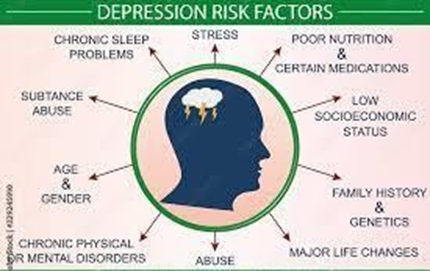
Past history of childhood trauma.
Being an only child.
Recent history of stressful positive life events.
The Correct Answer is B
A. Elevated levels of serotonin are associated with a potential treatment for depression but aren't considered a primary risk factor for developing depression.
B. Past history of childhood trauma, such as abuse or neglect, is a well-established risk factor for the development of depression later in life.
C. Being an only child is not recognized as a primary risk factor for depression.
D. Recent history of stressful positive life events might not be a primary risk factor for depression; in some cases, it could be a protective factor.
Nursing Test Bank
Naxlex Comprehensive Predictor Exams
Related Questions
Correct Answer is C
Explanation
A. This statement reflects concern about a potential cause of a birth defect, not necessarily PTSD symptoms.
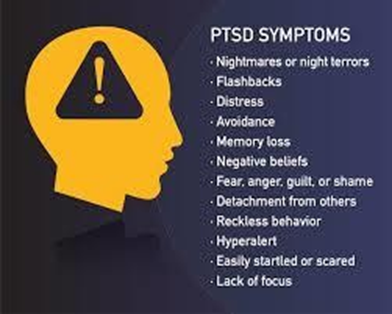
B. This statement indicates recurrent nightmares, a potential symptom of PTSD, but it doesn't involve the persistent feeling of threat.
C. This statement reflects hypervigilance and persistent feelings of threat, a common symptom of PTSD.
D. While this statement might be related to combat experience, it doesn't necessarily indicate PTSD.
Correct Answer is ["A","C"]
Explanation
A. Experiencing a life-threatening event such as being trapped can precipitate PTSD.
B. Exposure to an R-rated movie, while potentially distressing, is not typically considered a traumatic event that leads to PTSD.
C. Prolonged exposure to traumatic events like abduction and captivity often leads to PTSD due to the severe and chronic trauma experienced.
D. This is not typically considered a traumatic event leading to PTSD as it's a voluntary, recreational activity that involves perceived safety measures.
Whether you are a student looking to ace your exams or a practicing nurse seeking to enhance your expertise , our nursing education contents will empower you with the confidence and competence to make a difference in the lives of patients and become a respected leader in the healthcare field.
Visit Naxlex, invest in your future and unlock endless possibilities with our unparalleled nursing education contents today