
A nurse is providing teaching about the Dietary Approaches to Stop Hypertension (DASH) diet to a client who has hypertension. Which of the following instructions should the nurse include?
"Consume ten percent of total calories from saturated fat."
"Increase intake of refined carbohydrates."
"Limit sodium intake to 3,200 milligrams per day."
"Consume foods that are high in calcium."
The Correct Answer is D
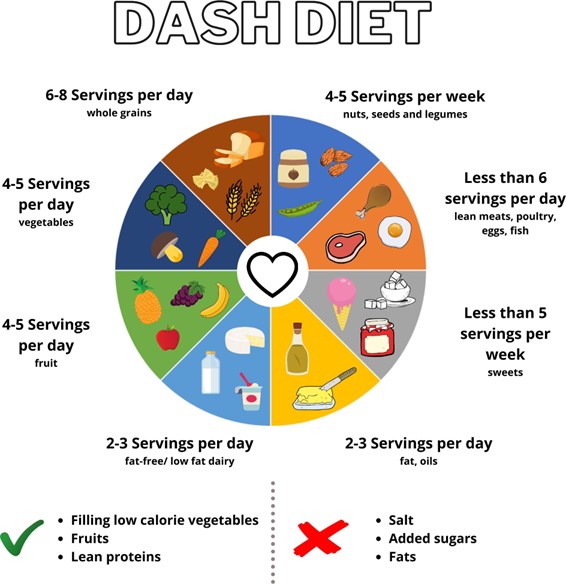
The DASH diet is a dietary approach specifically designed to lower blood pressure. It emphasizes consuming foods that are rich in nutrients like potassium, calcium, and magnesium, while reducing the intake of saturated fat, cholesterol, and sodium. Calcium-rich foods are an important component of the DASH diet as they have been shown to have a beneficial effect on blood pressure. Good sources of dietary calcium include low-fat dairy products, fortified
plant-based milk, leafy green vegetables, and calcium-fortified foods.
"Consume ten percent of total calories from saturated fat": The DASH diet recommends reducing the intake of saturated fat to improve heart health. The goal is to consume no more than 6% of total calories from saturated fat. Saturated fats are typically found in animal products, such as fatty cuts of meat, full-fat dairy products, and tropical oils like coconut and palm oil.
"Increase intake of refined carbohydrates": The DASH diet encourages the consumption of whole grains rather than refined carbohydrates. Whole grains are rich in fiber and other nutrients, which can help lower blood pressure. Refined carbohydrates, on the other hand, can lead to spikes in blood sugar levels and are generally less nutritious.
"Limit sodium intake to 3,200 milligrams per day": The DASH diet recommends reducing sodium intake to 2,300 milligrams per day or less. For individuals with hypertension or at risk for hypertension, including many clients with hypertension, further lowering sodium intake to 1,500 milligrams per day may be advised. Reducing sodium intake is important for blood pressure management.
Nursing Test Bank
Naxlex Comprehensive Predictor Exams
Related Questions
Correct Answer is B
Explanation
The nurse should identify that the client who follows a vegan diet is at risk for deficiencies in Vitamin D, Vitamin B12, and potentially Calcium.
1. Vitamin D: Vitamin D is primarily obtained from sunlight exposure and is also found in animal-based foods such as fatty fish, liver, and egg yolks. Since a vegan diet excludes animal products, it can be challenging to obtain sufficient Vitamin D. Vegans should consider fortified foods (e.g., plant-based milk, breakfast cereals) and may require Vitamin D supplements.
2. Vitamin B12: Vitamin B12 is naturally found only in animal products, such as meat, fish, dairy, and eggs. Vegans are at a high risk of Vitamin B12 deficiency because
plant-based foods do not provide adequate amounts. Vegans should consider taking Vitamin B12 supplements or consuming foods fortified with Vitamin B12, such as certain plant-based milk, meat substitutes, and breakfast cereals.
3. Calcium: Calcium is essential for bone health. While it is possible to obtain calcium from plant-based sources such as fortified plant milk, tofu, leafy green vegetables, and fortified juices, vegan diets may be lower in calcium compared to diets that include dairy products. Vegans should pay attention to their calcium intake and consider supplements if needed.
Regarding the options listed in the question, Vitamin C, Magnesium, and Folic Acid deficiencies are not directly associated with a vegan diet. These nutrients can be adequately obtained from a well-planned vegan diet that includes a variety of fruits, vegetables, whole grains, legumes, nuts, and seeds.
Correct Answer is A
Explanation
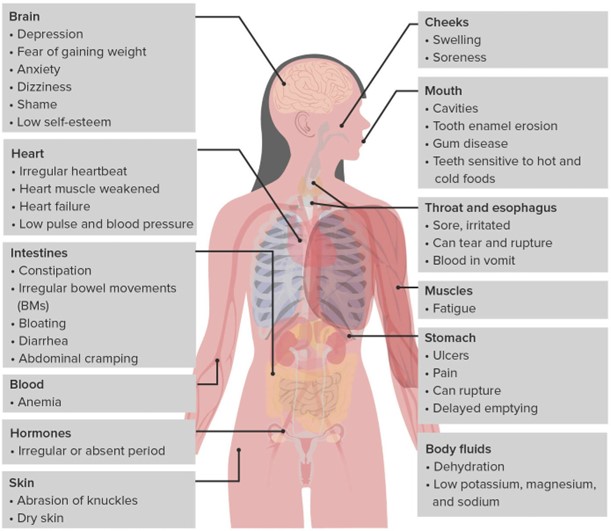
Low potassium levels, known as hypokalemia, can be a significant concern in individuals with bulimia nervosa due to the frequent purging behaviors associated with the condition. Purging, such as self-induced vomiting or misuse of laxatives or diuretics, can lead to excessive loss of potassium from the body. Hypokalemia can have serious consequences, including cardiac arrhythmias, muscle weakness, fatigue, and even life-threatening complications.
The normal range for potassium is typically around 3.5-5.0 mEq/L. With a potassium level of 3.2 mEq/L falling below the normal range, it indicates a low potassium level and requires prompt attention.
The other laboratory results mentioned in the question are within normal ranges:
● A WBC (white blood cell) count of 5,200/mm3 falls within the normal range (typically between 4,500 and 11,000/mm3) and indicates a normal white blood cell count.
● An Hgb (hemoglobin) level of 14 g/dL falls within the normal range (typically between 12 and 16 g/dL) and indicates a normal hemoglobin level.
● A magnesium level of 1.6 mEq/L, although slightly low, is still within the normal range (typically between 1.5 and 2.5 mEq/L). The nurse should monitor it closely and assess for symptoms associated with hypomagnesemia. If the client's symptoms or other clinical indications suggest a significant magnesium imbalance, the healthcare provider should be notified.
Whether you are a student looking to ace your exams or a practicing nurse seeking to enhance your expertise , our nursing education contents will empower you with the confidence and competence to make a difference in the lives of patients and become a respected leader in the healthcare field.
Visit Naxlex, invest in your future and unlock endless possibilities with our unparalleled nursing education contents today