
A nurse is preparing to perform a fundal massage for a postpartum client who is experiencing uterine atony. In which order should the nurse plan to perform the following actions?
Ask the client to lie on her back and with her knees flexed.
Position one hand around the top of the client's fundus and one hand just above the client's symphysis pubis.
Rotate the upper hand to massage the client's uterus while using slight downward pressure to compress the fundus.
Observe the client's perineum for the passage of clots and the amount of bleeding.
The Correct Answer is A, B, C, D
The correct answer is A, B, C, D.
The nurse should plan to perform the following actions in this order:
A. Ask the client to lie on her back and with her knees flexed.
B. Position one hand around the top of the client’s fundus and one hand just above the client’s symphysis pubis.
C. Rotate the upper hand to massage the client’s uterus while using slight downward pressure to compress the fundus.
D. Observe the client’s perineum for the passage of clots and the amount of
bleeding.
Fundal massage is performed to stimulate uterine contractions and prevent
postpartum hemorrhage.

Nursing Test Bank
Naxlex Comprehensive Predictor Exams
Related Questions
Correct Answer is C
Explanation
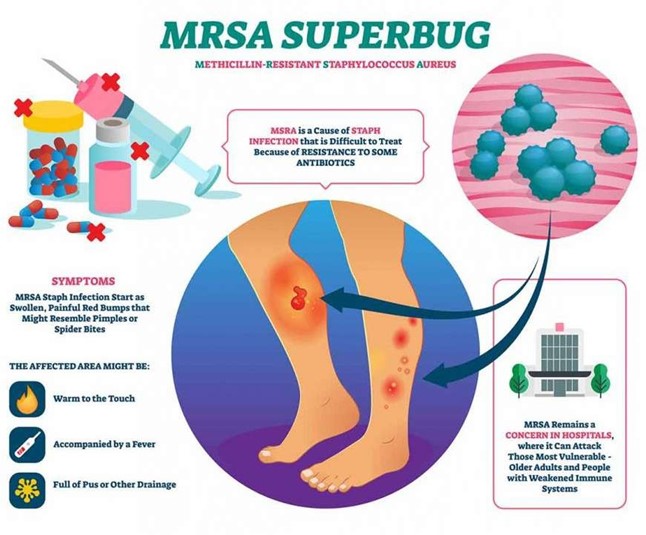
A nurse caring for a client who is at 36 weeks of gestation and has methicillin- resistant Staphylococcus aureus (MRSA) should initiate Contact Precautions.
Choice A is incorrect because Droplet Precautions are not necessary for MRSA.
Choice B is incorrect because a Protective Environment is not necessary for MRSA.
Choice D is incorrect because Airborne Precautions are not necessary for MRSA.
Correct Answer is C
Explanation
This can be a sign of magnesium toxicity and should be reported to the provider.
Choice A is incorrect because magnesium sulfate is used to treat hypertension associated with preeclampsia.
Choice B is incorrect because a respiratory rate of 16/min is within normal range.
Choice D is incorrect because hyperglycemia is not a known adverse reaction to magnesium sulfate.
Whether you are a student looking to ace your exams or a practicing nurse seeking to enhance your expertise , our nursing education contents will empower you with the confidence and competence to make a difference in the lives of patients and become a respected leader in the healthcare field.
Visit Naxlex, invest in your future and unlock endless possibilities with our unparalleled nursing education contents today