
A nurse is preparing to obtain informed consent from a client who speaks a different language than the nurse and is scheduled for surgery. Which of the following actions should the nurse take?
Have the client nod to indicate understanding
Address all questions to the interpreter.
Use medical terminology when explaining the procedure.
Recommend an interpreter who is the same gender as the client
The Correct Answer is B
It is essential to involve a qualified interpreter who can accurately convey information and ensure that the client fully understands the details of the procedure, potential risks, and benefits. The interpreter serves as a bridge between the nurse and the client, allowing for clear and accurate communication.
Nursing Test Bank
Naxlex Comprehensive Predictor Exams
Related Questions
Correct Answer is A
Explanation
An IVP is a radiographic procedure that involves injecting a contrast dye into the vein to visualize the urinary tract. Metal objects can interfere with the imaging process and may need to be removed or avoided during the procedure. The nurse should assess the client for any metal objects, such as jewelry or clothing accessories, and ensure they are removed before the procedure to ensure accurate imaging.
Monitoring the client for pain in the suprapubic region is not directly related to an IVP. Suprapubic pain may be associated with other urinary tract procedures or conditions, but it is not a specific concern during an IVP.
Assisting the client with a bowel cleansing is not necessary for an IVP. Bowel cleansing is typically done for procedures involving the lower gastrointestinal tract, such as colonoscopy or barium enema.
Administering oral contrast before the procedure is also not necessary for an IVP. In an IVP, the contrast dye is administered intravenously, not orally. Oral contrast is typically used for imaging studies of the gastrointestinal tract, such as an upper GI series or CT scan of the abdomen.
Correct Answer is B
Explanation
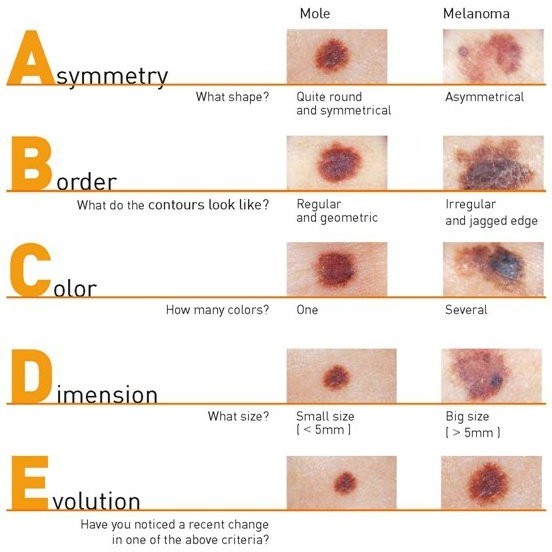
The nurse's priority finding in this case would be a change in appearance of a mole on the shoulder. Changes in the appearance of moles can be an indication of skin cancer or melanoma, which is a serious and potentially life-threatening condition. It is important for the nurse to assess the mole further and report any concerning changes to the healthcare provider for appropriate evaluation and management. The other findings, such as skin tags, a flat discolored area of skin, or atrophic fingers, may require further assessment and interventions, but they are not as immediately concerning as a potential change in a mole that could indicate skin cancer.
Whether you are a student looking to ace your exams or a practicing nurse seeking to enhance your expertise , our nursing education contents will empower you with the confidence and competence to make a difference in the lives of patients and become a respected leader in the healthcare field.
Visit Naxlex, invest in your future and unlock endless possibilities with our unparalleled nursing education contents today