
A nurse is preparing to assist with the insertion of a non-tunneled central venous catheter for a client who is malnourished. Which of the following actions should the nurse plan to take?
Instruct the client to cough as the catheter is inserted.
Place the head of the client's bed lower than the foot.
Cleanse the site with a hydrogen peroxide solution.
Confirm the correct position of the line by obtaining a blood sample.
The Correct Answer is D
The nurse should plan to confirm the correct position of the line by obtaining a blood sample, as this is one of the methods to verify placement and patency of a central venous catheter. The nurse should also instruct the client to perform a Valsalva maneuver (bearing down) as the catheter is inserted, place the head of the client's bed higher than 30 degrees, and cleanse the site with an antiseptic solution such as chlorhexidine.
Nursing Test Bank
Naxlex Comprehensive Predictor Exams
Related Questions
Correct Answer is A
Explanation
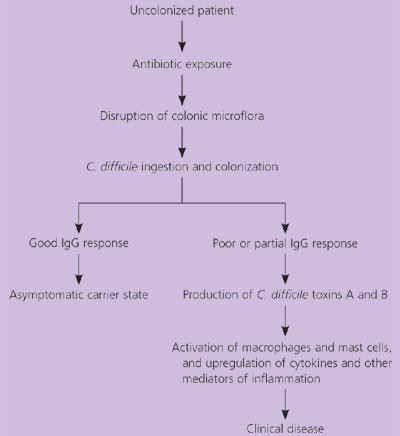
Clostridium difficile is a spore-forming bacteria that can cause severe diarrhea and other gastrointestinal symptoms. It's highly contagious and can easily spread to other patients.Alcohol-based hand rubs are not effective against spores and should not be used for hand hygiene in this case. Chlorhexidine is also not sporicidal and should not be used for environmental cleaning. A protective environment is indicated for clients who are at risk of infection from others, not for clients who are infectious to others.Gloves are important for preventing the spread of infection, but they should be used in conjunction with other infection control measures, such as handwashing and protective isolation.
Correct Answer is B
Explanation
The Ssegment is the portion of an electrocardiogram (ECG) that represents early ventricular repolarization, which occurs after ventricular contraction and before ventricular relaxation. The Ssegment can be elevated or depressed in cases ofmyocardial infarction (MI), indicating ischemia or injury to the myocardium due to reduced blood flow or oxygen supply.

Whether you are a student looking to ace your exams or a practicing nurse seeking to enhance your expertise , our nursing education contents will empower you with the confidence and competence to make a difference in the lives of patients and become a respected leader in the healthcare field.
Visit Naxlex, invest in your future and unlock endless possibilities with our unparalleled nursing education contents today