
A nurse is preparing to administer the initial dose of penicillin G IM to a client. The nurse should monitor for which of the following as an indication of an allergic reaction following the injection?
Pallor
Dyspepsia
Bradycardia
Urticaria
The Correct Answer is D
A. Pallor: Pallor refers to paleness of the skin and is not typically associated with an allergic reaction to penicillin G IM.
B. Dyspepsia: Dyspepsia refers to indigestion or discomfort in the upper abdomen and is not typically associated with an allergic reaction to penicillin G IM.
C. Bradycardia: Bradycardia refers to a slow heart rate and is not typically associated with an allergic reaction to penicillin G IM.
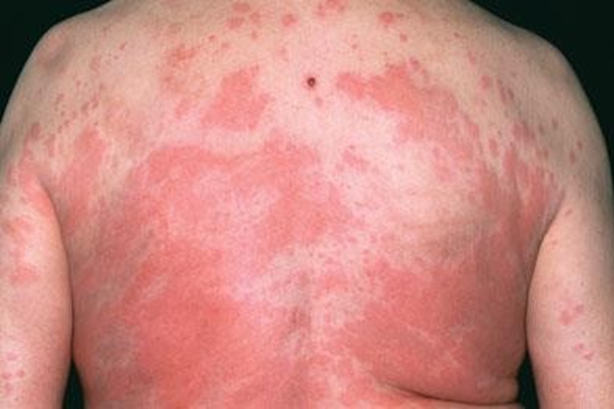
D. Urticaria: Urticaria, commonly known as hives, is a characteristic manifestation of an allergic reaction to penicillin G IM. It presents as raised, red, itchy welts on the skin.
Nursing Test Bank
Naxlex Comprehensive Predictor Exams
Related Questions
Correct Answer is ["500"]
Explanation
To calculate the dose of erythromycin per administration, you can follow these steps:
- Determine the total daily dose: 2 g.
- Divide the total daily dose by the number of equally divided doses per day: 2 g / 4 doses =
0.5 g per dose.
- Convert grams to milligrams: 0.5 g * 1000 mg/g = 500 mg.
So, the nurse should administer 500 mg of erythromycin per dose.
Correct Answer is C
Explanation
A. Orange juice is not typically restricted with phenelzine use.
B. Sweet potatoes are not typically restricted with phenelzine use.
C. Cheddar cheese contains tyramine, which can cause a hypertensive crisis when consumed with phenelzine, a monoamine oxidase inhibitor (MAOI).
D. Canned tuna is not typically restricted with phenelzine use.
Whether you are a student looking to ace your exams or a practicing nurse seeking to enhance your expertise , our nursing education contents will empower you with the confidence and competence to make a difference in the lives of patients and become a respected leader in the healthcare field.
Visit Naxlex, invest in your future and unlock endless possibilities with our unparalleled nursing education contents today