
A nurse is preparing to administer scheduled immunizations to a 5-year-old child. Which of the following vaccines should the nurse plan to administer (Select all that apply)?
Haemophilus influenza type b (Hib)
Varicella (VAR)
Measles, Mumps, and Rubella (MMR)
Meningococcal (MCV4)
Hepatitis B (Hep B):
Correct Answer : A,B,C,E
A. Haemophilus influenza type b (Hib):
Hib vaccine protects against Haemophilus influenzae type b, which can cause serious infections in young children.
B. Varicella (VAR):
Varicella vaccine protects against chickenpox, a contagious viral infection.
C. Measles, Mumps, and Rubella (MMR):
MMR vaccine protects against measles, mumps, and rubella. This vaccine is typically given around the age of 1 and then again at age 4-6.
D. Meningococcal (MCV4):
Meningococcal vaccine (MCV4) is usually recommended for adolescents, not typically at age 5. It protects against certain strains of bacteria that can cause meningitis.
E. Hepatitis B (Hep B):
Hep B vaccine protects against hepatitis B, a viral infection that can cause liver disease.
Nursing Test Bank
Naxlex Comprehensive Predictor Exams
Related Questions
Correct Answer is A
Explanation
A. Rubella:
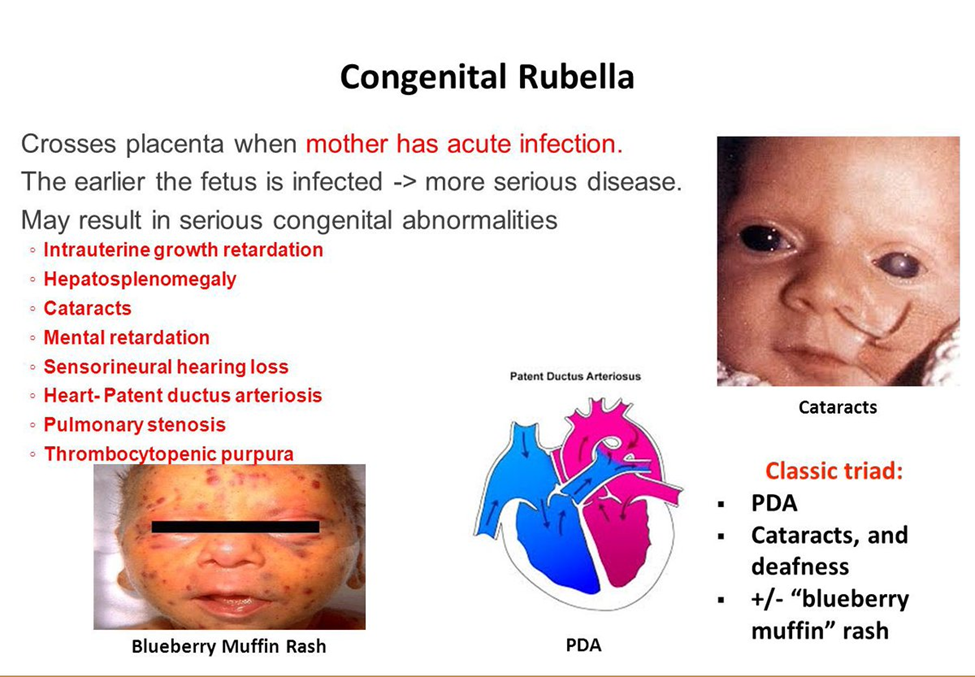
Rubella is a viral infection that, when contracted by a pregnant woman during the first trimester, can lead to congenital rubella syndrome (CRS) in the developing fetus. CRS can result in severe birth defects, including heart abnormalities, hearing impairments, and vision problems.
B. Varicella-zoster:
Varicella-zoster virus causes chickenpox. While chickenpox can cause complications in certain populations, it is not specifically associated with severe defects in the fetus when the mother is infected during pregnancy.
C. Rubeola:
Rubeola, commonly known as measles, can lead to complications, but it is not as strongly associated with severe defects in the fetus if the mother is infected during pregnancy compared to rubella.
D. Mumps:
Mumps is generally not associated with severe defects in the fetus when the mother is infected during pregnancy. However, mumps infection during pregnancy can pose risks to the mother's health.
Correct Answer is B
Explanation
A. At 6 months, you need to quit breast-feeding because he is not getting enough iron or Vitamin C and D and that should help him transition to solids better:
This statement is incorrect. Breastfeeding is recommended for the first six months, and then complementary foods can be introduced while continuing breastfeeding. Breast milk is a primary source of nutrition, and iron and vitamins are typically supplemented as needed.
B. The first food offered to an infant is iron-enriched rice cereal and can be started now. Additionally, the infant needs to receive Vitamin D and iron:
This statement is accurate. Iron-enriched rice cereal is often recommended as a first solid food for infants, and vitamin D supplementation is commonly advised, especially for breastfed infants, as breast milk may not provide enough vitamin D.
C. If you give him one or two bottles of juice each day, he should get all the vitamins he needs. You can begin fruits and cereal in 1 month:
This statement is not recommended. Juice is not recommended for infants, especially in large quantities, as it can interfere with proper nutrition and contribute to dental issues. Also, introducing fruits and cereals should be done gradually, following appropriate guidelines.
D. You can begin feeding the infant fruits and vegetables now followed by iron-enriched cereal to ensure that he gets enough iron:
While introducing fruits and vegetables is a part of introducing solids, iron-enriched cereal is often recommended earlier as a source of iron. The recommendation for iron-enriched rice cereal aligns more with the typical guidance for introducing solids to infants.
Whether you are a student looking to ace your exams or a practicing nurse seeking to enhance your expertise , our nursing education contents will empower you with the confidence and competence to make a difference in the lives of patients and become a respected leader in the healthcare field.
Visit Naxlex, invest in your future and unlock endless possibilities with our unparalleled nursing education contents today