
A nurse is preparing to administer propranolol to a client. Which of the following should the nurse assess prior to administering this medication?
Pain level
Temperature
Heart rate
Respiratory rate
The Correct Answer is C
Choice A rationale: Propranolol is not primarily administered to address pain; therefore, assessing pain level is not directly related to its administration.
Choice B rationale: Propranolol administration is not typically associated with temperature changes.
Choice C rationale: Propranolol is a beta-blocker primarily used to reduce heart rate and blood pressure. Assessing the heart rate before administering propranolol is crucial due to its effects on cardiac function.
Choice D rationale: While propranolol might impact respiratory function, assessing heart rate is more directly related to its administration.
Nursing Test Bank
Naxlex Comprehensive Predictor Exams
Related Questions
Correct Answer is B
Explanation
Choice A rationale: Hyperglycemia is not typically associated with an acute infusion reaction to amphotericin B.
Choice B rationale: An acute infusion reaction to IV amphotericin B might manifest as fever, among other symptoms like chills, rigors, or headaches, indicating an immediate hypersensitivity reaction.
Choice C rationale: Pedal edema is not a typical manifestation of an acute infusion reaction to amphotericin B.
Choice D rationale: A dry cough is not a common symptom of an acute infusion reaction to amphotericin B.
Correct Answer is C
Explanation
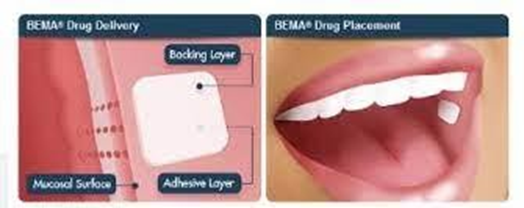
Choice A rationale: Dissolving the fentanyl buccal film in water isn't the appropriate method of administration. It's specifically formulated for buccal (cheek) administration to facilitate absorption, and dissolving it in water may alter its efficacy.
Choice B rationale: Swallowing the fentanyl buccal film isn't the intended method of administration. It's designed for absorption through the mucous membrane, not for ingestion.
Choice C rationale: Fentanyl buccal film is designed for absorption through the mucous membrane of the cheek. This route allows for rapid absorption of the medication
directly into the bloodstream, offering quicker relief for the patient.
Choice D rationale: Placing the fentanyl buccal film on the tongue for dissolution is not the correct method. The medication is formulated for buccal administration, not oral dissolution.
Whether you are a student looking to ace your exams or a practicing nurse seeking to enhance your expertise , our nursing education contents will empower you with the confidence and competence to make a difference in the lives of patients and become a respected leader in the healthcare field.
Visit Naxlex, invest in your future and unlock endless possibilities with our unparalleled nursing education contents today