
A nurse is planning to place a client into the Sims’ position.
Which of the following actions should the nurse plan to take?
Elevate the client’s feet with two pillows.
Raise the head of the client’s bed to a 30° angle.
Raise the head of the client’s bed to a 60° angle.
Place a pillow under the client’s flexed leg.
The Correct Answer is D
The correct answer is choice D. Placing a pillow under the client’s flexed leg is part of the Sims’ position, which is a way of lying on the left side, with the right hip and knee bent and the left arm behind the back.
It is used for vaginal and colonic examinations and natural childbirth.
Choice A is wrong because positioning the client’s arms at his sides is not part of the Sims’ position.
The left arm should be behind the back.
Choice B is wrong because elevating the client’s feet with two pillows is not part of the Sims’ position.
The lower leg should be straightened and the upper leg should be bent.
Choice C is wrong because raising the head of the client’s bed to a 30° angle is not part of the Sims’ position.
The bed should be flat or slightly tilted.
Nursing Test Bank
Naxlex Comprehensive Predictor Exams
Related Questions
Correct Answer is B
Explanation
The correct answer is choice B. Palliative care is a type of care that improves the quality of life of patients and their families who are facing problems associated with life-threatening illness.
It prevents and relieves suffering through the early identification, correct assessment and treatment of pain and other problems, whether physical, psychosocial or spiritual.
Palliative care also provides emotional support to the patients and their families during the illness.
Therefore, choice B indicates an understanding of the teaching.
Choice A is wrong because it contradicts the goal of palliative care to address the spiritual needs of the patients and their families.
Spiritual advisors can help patients cope with their illness and find meaning and purpose in their situation.
Choice C is wrong because it denies the patient the opportunity to express their feelings and concerns about their illness.
Palliative care involves open and honest communication between the patients, their families and the health care team.
Discussing the illness can help patients make informed decisions about their care and prepare for the end of life.
Choice D is wrong because it goes against the principle of palliative care to respect the patient’s wishes and preferences regarding their treatment.
Resuscitation is a procedure that attempts to revive someone from apparent death or unconsciousness.
Some patients may not want resuscitation if they have a terminal illness or a poor quality of life.
They may have an advance directive or a living will that states their preferences for end-of-life care.
Correct Answer is C
Explanation
The correct answer is choice C. Use a filter needle to aspirate the medication.
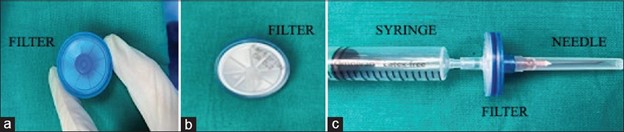
This is because a filter needle can prevent glass particles from being drawn into the syringe when aspirating medication from an ampule.
Glass particles can cause harm to the patient if injected.
Choice A is wrong because cleansing the tip of the ampule with an alcohol swab after opening is not necessary and may contaminate the medication.
Choice B is wrong because adding 0.5 mL of diluent to the medication may alter the concentration and dosage of the medication.
Choice D is wrong because injecting air into the ampule prior to drawing the medication into a syringe is not required and may create pressure that can cause the ampule to break.
Whether you are a student looking to ace your exams or a practicing nurse seeking to enhance your expertise , our nursing education contents will empower you with the confidence and competence to make a difference in the lives of patients and become a respected leader in the healthcare field.
Visit Naxlex, invest in your future and unlock endless possibilities with our unparalleled nursing education contents today