
A nurse is planning to administer an ophthalmic medication to a client. Which of the following actions will
minimize systemic absorption of the medication?
Apply light pressure to the inner canthus just after instilling the eye drops
Wipe the eye from the inner to the outer canthus with a sterile saline-moistened coton ball
Administer the medication drops directly into the lower conjunctival sac of each eye
Wait 5 min after instillation before instilling the drops in the other eye
None
None
The Correct Answer is A
Answer: A. Apply light pressure to the inner canthus just after instilling the eye drops.
Rationale:
A) Apply light pressure to the inner canthus just after instilling the eye drops.
Applying pressure to the inner canthus (the corner of the eye nearest the nose) helps occlude the nasolacrimal duct. This action reduces the systemic absorption of the medication by preventing it from draining into the nasal passages and subsequently into the systemic circulation, thus enhancing the local effect of the eye drops.
B) Wipe the eye from the inner to the outer canthus with a sterile saline-moistened cotton ball.
While this action may help remove excess medication or discharge, it does not minimize systemic absorption. Instead, wiping the eye could inadvertently spread the medication to other areas, increasing the chance of absorption rather than reducing it.
C) Administer the medication drops directly into the lower conjunctival sac of each eye.
While placing drops in the lower conjunctival sac is a standard practice for delivering ophthalmic medications, it does not directly influence systemic absorption. The main goal is to ensure adequate dosing in the eye, but systemic absorption can still occur if the drops drain into the nasolacrimal duct.
D) Wait 5 min after instillation before instilling the drops in the other eye.
Waiting between instillations is good practice to prevent dilution of the first dose and to allow for absorption. However, this action does not significantly impact systemic absorption. It focuses more on ensuring that the first dose is effective before administering a second dose.
Nursing Test Bank
Naxlex Comprehensive Predictor Exams
Related Questions
Correct Answer is B
Explanation
Answer: B. Stiff posture
Rationale:
A. Lip-smacking : Lip-smacking is not typically an indication of pain in newborns. It may be associated with hunger or neurological responses, but it does not directly indicate discomfort or pain caused by shoulder dystocia or other injuries.
B. Stiff posture : A stiff posture can indicate pain in newborns, as they often exhibit hypertonicity or rigidity when experiencing discomfort. This response is a protective mechanism and may suggest the newborn is reacting to pain from potential nerve or tissue damage caused by shoulder dystocia.
C. Weak cry : While a weak cry may indicate neurological or respiratory distress, it is not a specific sign of pain. In the context of shoulder dystocia, a weak cry could reflect complications such as brachial plexus injury but does not directly signify the presence of pain.
D. Tongue-darting : Tongue-darting is more commonly associated with neurological issues or feeding difficulties rather than pain. It is not a typical behavioral response to discomfort or injury in newborns experiencing complications like shoulder dystocia.
Correct Answer is B
Explanation
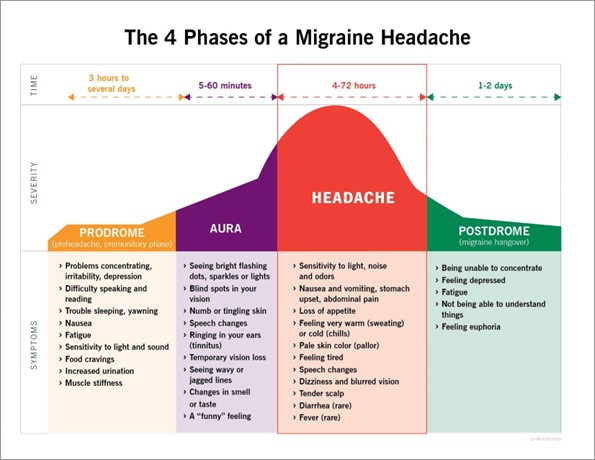
b. Migraines with aura.
Explanation:
Migraines with aura are considered a contraindication to the use of oral contraceptives. Auras are neurological symptoms that occur before or during migraines and can include visual disturbances, sensory changes, or speech difficulties. Women who experience migraines with aura have an increased risk of ischemic stroke when taking oral contraceptives. Therefore, it is important to identify this condition as a contraindication and explore alternative contraceptive options for the client.
The other options (a. History of renal calculus, c. BMI of 25, d. History of cholecystectomy) are not contraindications to the use of oral contraceptives.
Whether you are a student looking to ace your exams or a practicing nurse seeking to enhance your expertise , our nursing education contents will empower you with the confidence and competence to make a difference in the lives of patients and become a respected leader in the healthcare field.
Visit Naxlex, invest in your future and unlock endless possibilities with our unparalleled nursing education contents today