
A nurse is evaluating a client's laboratory results. The nurse should recognize which of the following results places the client at risk for coronary heart disease.
HbA1c 5%.
LDL 64 mg/dL.
Total cholesterol 173 mg/dL.
Fasting glucose 140 mg/dL.
The Correct Answer is D
Choice A rationale:
An HbA1c level of 5% is within the target range for good diabetes control. HbA1c represents the average blood glucose level over the past two to three months, and an HbA1c of 5% indicates well-managed blood glucose levels.
Choice B rationale:
An LDL level of 64 mg/dL is within the recommended range for individuals at risk for heart disease. Lower LDL levels are associated with reduced risk, but 64 mg/dL is not a concerning value and is not typically associated with an increased risk of coronary heart disease.
Choice C rationale:
A total cholesterol level of 173 mg/dL is within the desirable range for adults. While it's important to consider both LDL and HDL cholesterol levels, the total cholesterol value alone is not sufficient to indicate a significant risk of coronary heart disease.
Choice D rationale:
A fasting glucose level of 140 mg/dL indicates hyperglycemia (elevated blood glucose) and is a significant risk factor for coronary heart disease. Hyperglycemia is associated with increased oxidative stress, inflammation, and vascular damage, all of which contribute to the development of cardiovascular complications in individuals with diabetes. It's crucial to manage blood glucose levels to reduce the risk of heart disease and other diabetes-related complications.
Nursing Test Bank
Naxlex Comprehensive Predictor Exams
Related Questions
Correct Answer is B
Explanation
Choice A rationale:
Distended neck veins - Distended neck veins are typically associated with increased fluid volume or right-sided heart failure. In the case of dehydration, the fluid volume is reduced, and the veins are more likely to appear collapsed rather than distended.
Choice B rationale:
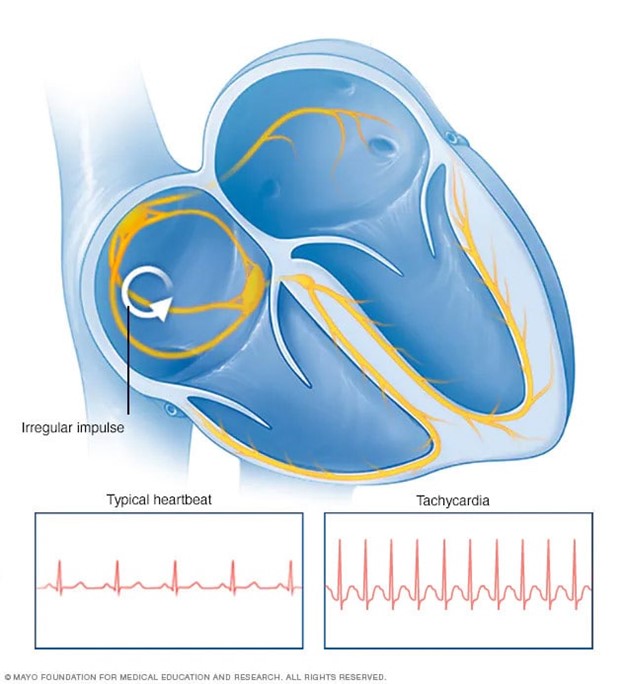
Tachycardia - Dehydration leads to a reduction in blood volume and a subsequent decrease in blood pressure. To compensate for this drop in blood pressure, the heart rate tends to increase. Tachycardia (an elevated heart rate) is a compensatory mechanism aimed at maintaining an adequate cardiac output despite reduced circulating blood volume.
Choice C rationale:
Hypertension - Dehydration typically leads to decreased blood volume, which in turn results in decreased blood pressure. Hypertension, or high blood pressure, is not a common finding in dehydration. Instead, low blood pressure (hypotension) is more likely.
Choice D rationale:
Decreased respiratory rate - Dehydration primarily affects the cardiovascular system, leading to reduced blood volume and subsequent compensatory mechanisms such as increased heart rate. The respiratory rate is not directly influenced by dehydration, so a decreased respiratory rate would not be a typical finding.
Correct Answer is A
Explanation
The correct answer is choice A. “Eat protein at each meal.”
Choice A rationale:
Eating protein at each meal can help slow down the digestion process and reduce the symptoms of dumping syndrome.Protein takes longer to digest compared to carbohydrates, which can help prevent the rapid emptying of the stomach contents into the small intestine.
Choice B rationale:
Drinking beverages with meals is not recommended for clients with dumping syndrome. Fluids can increase the speed at which food moves through the stomach, exacerbating symptoms.It is generally advised to drink fluids between meals rather than with meals.
Choice C rationale:
Consuming three large meals daily is not advisable for clients with dumping syndrome. Large meals can cause a rapid emptying of stomach contents into the small intestine, leading to symptoms.Instead, eating smaller, more frequent meals is recommended to help manage the condition.
Choice D rationale:
Sitting up in bed after meals is not recommended for managing dumping syndrome.In fact, lying down for about 30 minutes after eating can help slow the movement of food through the digestive tract and reduce symptoms.
Whether you are a student looking to ace your exams or a practicing nurse seeking to enhance your expertise , our nursing education contents will empower you with the confidence and competence to make a difference in the lives of patients and become a respected leader in the healthcare field.
Visit Naxlex, invest in your future and unlock endless possibilities with our unparalleled nursing education contents today