
A nurse is conducting a community assessment. Which of the following information should the nurse include as part of the windshield survey?
Demographic data.
Mortality rate.
Informant interviews.
Housing quality.
The Correct Answer is D
Choice A reason: Demographic data is not part of the windshield survey, but rather a secondary source of information that the nurse can obtain from census reports, health statistics, or other documents. Demographic data includes information such as age, gender, race, ethnicity, income, education, and occupation of the community members.
Choice B reason: Mortality rate is not part of the windshield survey, but rather a secondary source of information that the nurse can obtain from vital records, health reports, or other documents. Mortality rate is a measure of the number of deaths in a given population, usually expressed as deaths per 1000 or 100,000 people.
Choice C reason: Informant interviews are not part of the windshield survey, but rather a primary source of information that the nurse can obtain by talking to key informants or community leaders who have knowledge and insight about the community. Informant interviews can help the nurse to identify the community's strengths, needs, problems, and resources.
Choice D reason: Housing quality is part of the windshield survey, which is a direct observation of the community by driving or walking through it. Housing quality includes information such as the type, age, condition, size, and value of the houses, as well as the availability and accessibility of utilities, sanitation, and safety features. Housing quality can reflect the socioeconomic status, health status, and environmental risks of the community.
Nursing Test Bank
Naxlex Comprehensive Predictor Exams
Related Questions
Correct Answer is D
Explanation
Choice A reason: Oliguria is not a condition that a nurse should expect in a client who has hypoglycemia. Oliguria is a reduced urine output, typically defined as less than 0.5 ml/kg/hour in an adult³. Oliguria can be a sign of dehydration, kidney failure, or urinary obstruction, but it is not related to low blood sugar levels.
Choice B reason: Diplopia is not a condition that a nurse should expect in a client who has hypoglycemia. Diplopia is a double vision, or seeing two images of a single object. Diplopia can be caused by various eye problems, such as strabismus, cataracts, or nerve damage, but it is not a common symptom of low blood sugar levels.
Choice C reason: Hypoglycemia is not a condition that a nurse should expect in a client who has hypoglycemia. Hypoglycemia is the condition itself, not a symptom. Hypoglycemia is a low blood sugar level, usually below 70 mg/dl. Hypoglycemia can result from taking too much insulin or other diabetes medications, skipping or delaying meals, exercising more than usual, or drinking alcohol.
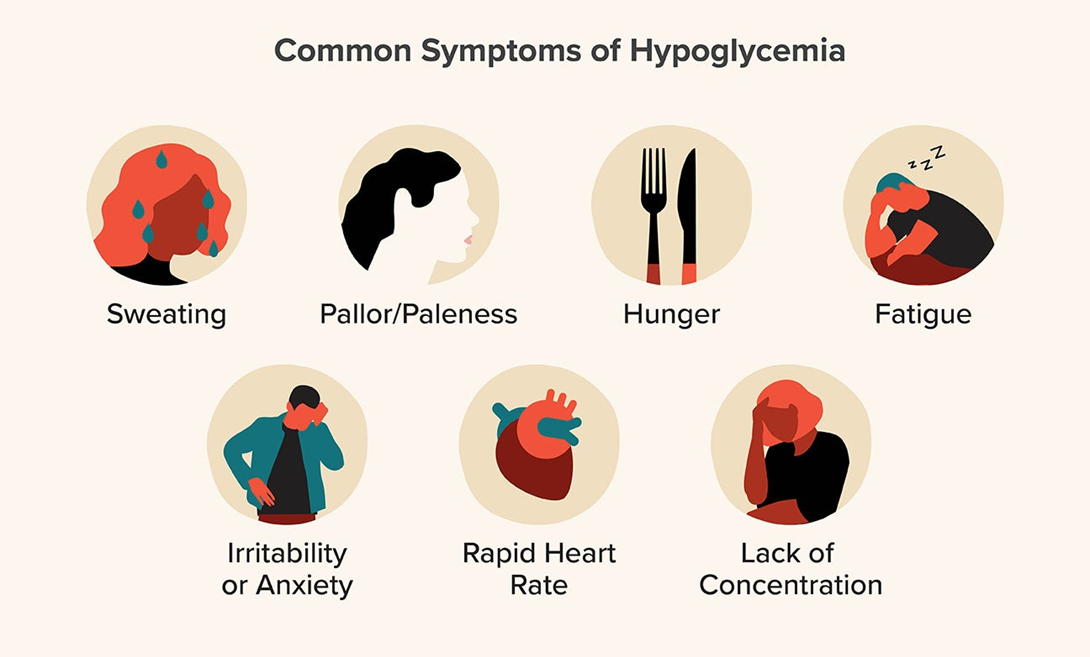
Choice D reason: Dizziness is a condition that a nurse should expect in a client who has hypoglycemia. Dizziness is a feeling of lightheadedness, faintness, or unsteadiness. Dizziness can occur when the brain does not receive enough glucose, which is its main energy source. Dizziness can also be accompanied by other symptoms of hypoglycemia, such as confusion, hunger, sweating, shakiness, or weakness.
Correct Answer is B
Explanation
Choice A reason: Encouraging enrollment and attendance at weight reduction programs is not a priority intervention, as it targets a specific population and does not address the root causes of obesity. It may also have low participation and adherence rates.
Choice B reason: Educating children at a day care center about nutrition and exercise is a priority intervention, as it promotes primary prevention and health promotion. It can also have a positive impact on the children's health behaviors, attitudes, and outcomes, as well as influence their families and communities.
Choice C reason: Distributing health risk appraisal questionnaires at community functions is not a priority intervention, as it is a passive and indirect approach. It may not reach the most vulnerable or at-risk populations, and it does not provide any education or follow-up.
Choice D reason: Measuring the BMI of older adults at a community senior center is not a priority intervention, as it is a secondary prevention strategy that focuses on screening and detection. It does not address the prevention or management of obesity or its complications.
Whether you are a student looking to ace your exams or a practicing nurse seeking to enhance your expertise , our nursing education contents will empower you with the confidence and competence to make a difference in the lives of patients and become a respected leader in the healthcare field.
Visit Naxlex, invest in your future and unlock endless possibilities with our unparalleled nursing education contents today