
A nurse is collecting data from a client who has hepatitis A. Which of the following findings should the nurse expect?
Splenomegaly
Abdominal pain
Irregular heart rate
Tarry stools
The Correct Answer is B
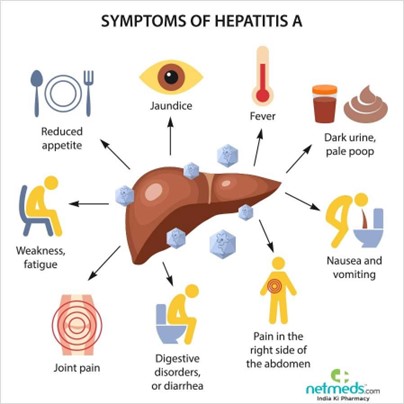
A nurse collecting data from a client who has hepatitis A should expect to find that the client may have abdominal pain. Hepatitis A is a liver infection that can cause inflammation and discomfort in the abdomen.
The other options are not typical symptoms of hepatitis
a) Splenomegaly is an enlargement of the spleen and is not a typical symptom of hepatitis A.
c) An irregular heart rate is not a typical symptom of hepatitis A.
d) Tarry stools may indicate bleeding in the digestive tract and is not a typical symptom of hepatitis A.
Nursing Test Bank
Naxlex Comprehensive Predictor Exams
Related Questions
Correct Answer is A
Explanation
A respiratory rate of 8 breaths per minute with shallow respirations and cyanosis indicates severe respiratory distress or failure. In this situation, the client's oxygenation is compromised, and immediate intervention is needed to ensure an open and unobstructed airway. The nurse should prioritize ensuring the client has a patent airway by assessing for any airway obstruction and taking appropriate measures to clear the airway if necessary. This may involve techniques such as the head tilt-chin lift or jaw thrust maneuver.
While administering oxygen, checking the client's pulse rate, and placing a pulse oximeter on the client's finger are all important interventions in managing respiratory distress, the first and most critical step is to establish a patent airway. Without a clear airway, the client's oxygenation cannot be adequately addressed, and other interventions may be ineffective. Once the airway is secured, the nurse can proceed with providing oxygen, assessing the client's vital signs, and monitoring oxygen saturation using a pulse oximeter.

Correct Answer is A
Explanation
Hyponatremia refers to a lower-than-normal level of sodium in the blood. Sodium is an essential electrolyte involved in various bodily functions, including maintaining fluid balance and transmitting nerve impulses. When sodium levels are low, it can lead to fluid imbalances, affecting the function of muscles and nerves. Muscle cramps are a common manifestation of hyponatremia and occur due to alterations in muscle excitability and contractility.
Constipation: Constipation is not typically associated with hyponatremia. It can occur due to various reasons, such as dietary factors, lack of physical activity, or other medical conditions, but it is not a direct consequence of low sodium levels.
Hypertension: Hyponatremia is not usually associated with hypertension (high blood pressure). Hypertension can be caused by several factors, including genetics, lifestyle, and certain medical conditions, but it is not directly related to low sodium levels.
Blurred vision: While blurred vision can occur in some medical conditions, such as diabetes or certain eye disorders, it is not a typical finding in hyponatremia. Visual disturbances are not a direct consequence of low sodium levels.

Whether you are a student looking to ace your exams or a practicing nurse seeking to enhance your expertise , our nursing education contents will empower you with the confidence and competence to make a difference in the lives of patients and become a respected leader in the healthcare field.
Visit Naxlex, invest in your future and unlock endless possibilities with our unparalleled nursing education contents today
Report Wrong Answer on the Current Question
Do you disagree with the answer? If yes, what is your expected answer? Explain.
Kindly be descriptive with the issue you are facing.
