
A nurse is checking for proper placement of a feeding tube. Which of the following methods is the most reliable for verification of tube placement?
Verify the bilirubin level of the tube contents.
Auscultate for air insufflation.
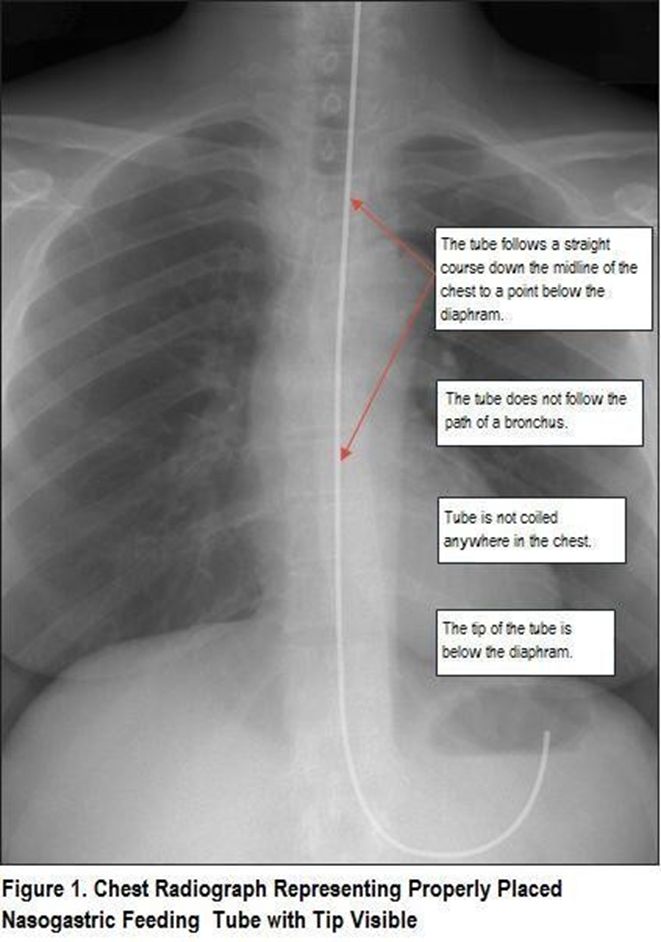
Request a chest x-ray.
Check the pH level of gastric contents.
The Correct Answer is C
A. Verifying the bilirubin level of the tube contents is not a reliable method for confirming tube placement and may not provide accurate information.
B. Auscultating for air insufflation can help detect tube placement in the respiratory tract but may not reliably confirm placement in the gastrointestinal tract.
C. Requesting a chest x-ray is the most reliable method for confirming the placement of a feeding tube, as it allows visualization of the tube's position relative to anatomical landmarks.
D. Checking the pH level of gastric contents can help differentiate between gastric and respiratory placement but may not provide definitive confirmation of tube placement.
Nursing Test Bank
Naxlex Comprehensive Predictor Exams
Related Questions
Correct Answer is B
Explanation
A) "Aren't you interested in learning how to perform this test?" - This response may come across as judgmental and may not encourage open communication.
B) "Let's talk about what you're thinking." - This response acknowledges the client's distraction and opens the door for the client to express their thoughts or concerns.
C) "I'll discuss this with your partner instead." - This response dismisses the client's involvement in their own care and does not address the client's distraction.
D) "Is this something you think you can do?" - This response focuses on the client's ability to perform the task rather than addressing their distraction or concerns.
Correct Answer is A
Explanation
A. Discontinue supplements containing vitamin C 24 hr before the test- Vitamin C can interfere with fecal occult blood testing, leading to false-positive results. Instructing the client to discontinue such supplements helps ensure accuracy.
B. Refrain from consuming pork 7 days before the test- There is no evidence to suggest that consuming pork affects fecal occult blood testing.
C. Place a thick layer of stool on the specimen card- A thin smear of stool is typically used for fecal occult blood testing.
D. Urinate prior to collecting the stool specimen- Urination does not impact fecal occult blood testing.
Whether you are a student looking to ace your exams or a practicing nurse seeking to enhance your expertise , our nursing education contents will empower you with the confidence and competence to make a difference in the lives of patients and become a respected leader in the healthcare field.
Visit Naxlex, invest in your future and unlock endless possibilities with our unparalleled nursing education contents today