
A nurse is caring for a young adult client who has ulcerative colitis and is scheduled for surgery to create an ileostomy. After speaking with the provider, the client says, “how will I ever be able to have a normal life after this?”
Which of the following responses should the nurse make?
This will cure your disease, so you don’t have to spend so much time in hospital.
Tell me how you think having an ileostomy will affect your life.
Everybody worries about how they will manage their ileostomy at first.
Are you worried that it would affect your relationship with your partner?
The Correct Answer is B
This response is an open-ended question that encourages the client to express their concerns and feelings. It also allows the nurse to assess the client’s understanding of the procedure and provide appropriate education and support. The other
The other options are either closed-ended statements or questions that do not address the client’s concerns directly.

Nursing Test Bank
Naxlex Comprehensive Predictor Exams
Related Questions
Correct Answer is ["3"]
Explanation
To calculate the number of tablets the nurse should administer, we need to determine how many 50 mg tablets add up to 150 mg.
Since each tablet contains 50 mg and the dosage is 150 mg, the nurse needs to administer 150/50 = 3 tablets.
Therefore, the nurse will administer three 50 mg tablets per day for a total daily dose of 150 mg.
Correct Answer is C
Explanation
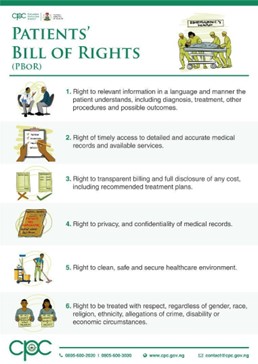
The Patients’ bill of rights is a set of rules that protect patients and ensure that they are treated with dignity, respect, and autonomy. It describes the rights that patients have when they receive medical care and treatment. The Patients’ bill of rights was created to protect patients who are vulnerable and may not have the ability or resources to advocate for themselves.
The Doctrine of privileged information refers to the legal concept that certain information shared between a patient and healthcare provider is confidential and cannot be disclosed without the patient’s consent.
Collaborative practice refers to the coordinated efforts of healthcare professionals from different disciplines working together to provide comprehensive and high-quality patient care.
The Nurse practice act is a set of laws that govern the practice of nursing in a specific state or jurisdiction. It outlines the scope of nursing practice and the responsibilities and obligations of nurses.
Whether you are a student looking to ace your exams or a practicing nurse seeking to enhance your expertise , our nursing education contents will empower you with the confidence and competence to make a difference in the lives of patients and become a respected leader in the healthcare field.
Visit Naxlex, invest in your future and unlock endless possibilities with our unparalleled nursing education contents today