
A nurse is caring for a client who reports that she has insomnia. Which of the following interventions is appropriate for the nurse to recommend?
Take a 30-min nap daily.
Eat a light carbohydrate snack before bedtime.
Exercise 1 hr before bedtime.
Drink a cup of hot cocoa before bedtime.
The Correct Answer is B
The correct answer is that the nurse should recommend the client to eat a light carbohydrate snack before bedtime. Eating a light carbohydrate snack before bedtime can help promote sleep by increasing the level of tryptophan in the brain, which can help induce sleep.
Options a, c and d are not appropriate interventions for insomnia. Taking a 30-min nap daily can disrupt nighttime sleep and worsen insomnia. Exercising 1 hr before bedtime can increase alertness and make it harder to fall asleep. Drinking a cup of hot cocoa before bedtime can also disrupt sleep due to its caffeine content.
Nursing Test Bank
Naxlex Comprehensive Predictor Exams
Related Questions
Correct Answer is A
Explanation
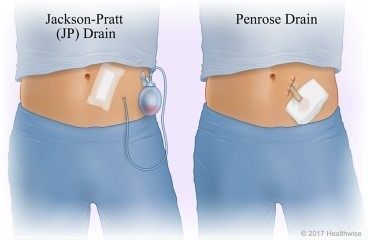
When completing a dressing change on a client who has a surgical wound drain, the nurse should use a separate, sterile swab for each stroke when cleaning the wound. This helps to prevent the spread of infection and ensures that the wound is properly cleaned.
Option b is incorrect because the nurse should first clean the incision and then clean the drain site.
Option c is incorrect because the nurse should don sterile gloves before cleaning the wound.
Option d is incorrect because the nurse should not cut a 4 x 4 piece of gauze to place around the drain site; instead, the nurse should use a pre-cut drain sponge.
Correct Answer is A
Explanation
The nurse should provide written materials in the client's primary language for a client who requires teaching prior to discharge. This ensures that the client has access to important information in a language they understand and can refer to after leaving the facility.
b. A client who is watching a video about meal services in their primary language may not require additional written materials.
c. A client who is learning to use an incentive spirometer with the help of an interpreter may not require additional written materials.
d. The administration of a prescribed pain medication does not necessarily require the provision of written materials.
Whether you are a student looking to ace your exams or a practicing nurse seeking to enhance your expertise , our nursing education contents will empower you with the confidence and competence to make a difference in the lives of patients and become a respected leader in the healthcare field.
Visit Naxlex, invest in your future and unlock endless possibilities with our unparalleled nursing education contents today