
A nurse is caring for a client who is receiving 0.9% sodium chloride solution to treat dehydration. Which of the following findings should the nurse identify as an adverse effect of the solution?
Dark amber urine
Decreased skin turgor
Pink, frothy sputum
Increased bowel sounds
The Correct Answer is C
Choice A Reason:
Dark amber urine is incorrect. Dark urine can indicate concentrated urine, often seen in dehydration when the body is trying to conserve water.
Choice B Reason:
Decreased skin turgor is incorrect. Decreased skin turgor is a classic sign of dehydration, indicating that the skin lacks elasticity due to insufficient fluid intake or loss.
Choice C Reason:
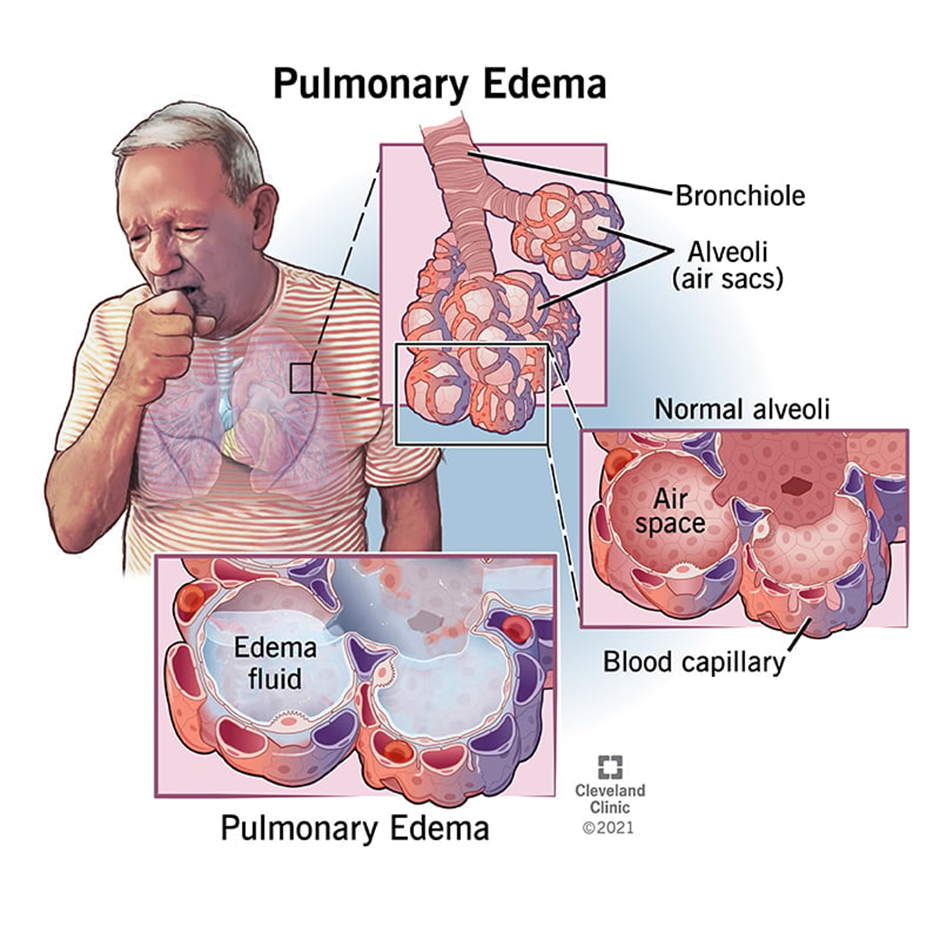
Pink, frothy sputum is correct. Normal saline is a common intravenous solution used to treat dehydration. However, in some cases, especially when administered in excessive amounts, it can lead to fluid overload or pulmonary edema. This can manifest as pink, frothy sputum, indicating potential pulmonary congestion or edema, which is a serious adverse effect of fluid overload.
Choice D Reason:
Increased bowel sounds is incorrect. Increased bowel sounds can be seen in various conditions, including gastrointestinal disturbances or hyperactive bowel motility, but it's not typically associated with the adverse effects of normal saline administration.
Nursing Test Bank
Naxlex Comprehensive Predictor Exams
Related Questions
Correct Answer is D
Explanation
Choice A Reason:
Decreased respiratory rate is incorrect. Heparin administration and an elevated aPTT typically do not directly cause a decrease in respiratory rate. Respiratory rate changes might occur due to other factors such as respiratory conditions, pain, or medications affecting the respiratory center, but they are not commonly linked to heparin therapy.
Choice B Reason:
Increased blood pressure is incorrect. Heparin therapy and an elevated aPTT do not typically result in increased blood pressure. Heparin's primary effect is on preventing blood clotting, and while it can indirectly affect blood pressure by preventing clot formation, it doesn't typically cause a significant increase in blood pressure.
Choice C Reason:
Decreased temperature is incorrect. Heparin therapy and an elevated aPTT do not generally cause a decrease in body temperature. Changes in body temperature might occur due to various reasons such as infection, environmental factors, or certain medications, but they are not directly linked to heparin administration.
Choice D Reason:
Increased pulse rate is correct. An increased pulse rate can be an early indicator of bleeding or a potential side effect of heparin administration. Heparin's anticoagulant effect might predispose individuals to bleeding, so an increased pulse rate could indicate a response to potential bleeding complications rather than a direct effect of heparin itself.
Correct Answer is C
Explanation
Choice A Reason:
Withdrawing the NPH insulin from the vial should come after injecting air into the NPH vial.
Choice B Reason:
Injecting air into the regular insulin vial should occur after withdrawing the NPH insulin from its vial.
Choice C Reason:
Inject air into the NPH vial is correct. The sequence for mixing regular insulin (clear) and NPH insulin (cloudy) in the same syringe typically involves injecting air into the NPH (cloudy) insulin vial first. This step prevents excess pressure buildup when withdrawing the solution, making it easier to draw the correct amount of NPH insulin into the syringe.
Choice D Reason:
Withdrawing the regular insulin from the vial should occur after withdrawing the correct amount of NPH insulin into the syringe.
Whether you are a student looking to ace your exams or a practicing nurse seeking to enhance your expertise , our nursing education contents will empower you with the confidence and competence to make a difference in the lives of patients and become a respected leader in the healthcare field.
Visit Naxlex, invest in your future and unlock endless possibilities with our unparalleled nursing education contents today