
A nurse is caring for a client who is at 12 weeks of gestation and has hyperemesis gravidarum.
The nurse is assessing the client 24 hr later. How should the nurse interpret the findings?
For each finding click to specify whether the finding is unrelated to the diagnosis, a sign of potential improvement, or a sign of potential worsening condition.
Urinary output 40 ml/hr
3+ ketones
Heart rate 100/min
WBC count 10000/mm3
Urine specific gravity 1050
Urine pH 5
The Correct Answer is {"A":{"answers":"C"},"B":{"answers":"C"},"C":{"answers":"B"},"D":{"answers":"A"},"E":{"answers":"C"},"F":{"answers":"A"}}
For the findings 24 hours later, the nurse should interpret them as follows:
Urinary output: 40 ml/hr
Interpretation: Sign of potential worsening condition
Explanation: A urinary output of 40 ml/hr is concerning and indicates potential dehydration. It is a sign of potential worsening of the client's condition, as it suggests inadequate fluid intake or ongoing fluid losses.
3+ ketones
Interpretation: Sign of potential worsening condition
Explanation: The presence of 3+ ketones in the urine suggests ongoing ketosis, which can occur in hyperemesis gravidarum due to starvation and the breakdown of fats for energy. It is a sign of potential worsening of the client's nutritional status.
Heart rate: 100/min
Interpretation: Sign of potential improvement
Explanation: A heart rate of 100/min is within the normal range. It can be interpreted as a sign of potential improvement, indicating that the client's cardiovascular system is maintaining an appropriate heart rate.
WBC count: 10,000/mm3
Interpretation: Unrelated to diagnosis
Explanation: The WBC count within the normal range (10,000/mm3) is unrelated to the diagnosis of hyperemesis gravidarum. It does not provide specific information about the client's condition in this context.
Urine specific gravity: 1.050
Interpretation: Sign of potential worsening condition
Explanation: A urine specific gravity of 1.050 is elevated and indicates concentrated urine. This finding is a sign of potential worsening of the client's dehydration status.
Urine pH: 5
Interpretation: Unrelated to diagnosis
Explanation: The urine pH of 5 is within the normal range and is unrelated to the diagnosis of hyperemesis gravidarum. It does not provide specific information about the client's condition in this context.
Nursing Test Bank
Naxlex Comprehensive Predictor Exams
Related Questions
Correct Answer is B
Explanation
A. Hot flashes: Hot flashes are not a typical adverse effect of terbutaline. Hot flashes are more commonly associated with hormonal changes, such as those that occur during menopause.
B. Heart palpitations: This is the correct answer. Terbutaline can stimulate beta-2 receptors in the heart, leading to increased heart rate and palpitations. Clients receiving terbutaline should be monitored for cardiac side effects.
C. Shortness of breath: While terbutaline is used to relax smooth muscles, it can also affect beta-2 receptors in the respiratory system. However, shortness of breath is not a common adverse effect and may indicate other respiratory issues.
D. Bradycardia: Bradycardia, or a slow heart rate, is not a typical adverse effect of terbutaline. The medication is more likely to increase heart rate due to its beta-2 adrenergic agonist properties.
Correct Answer is C
Explanation
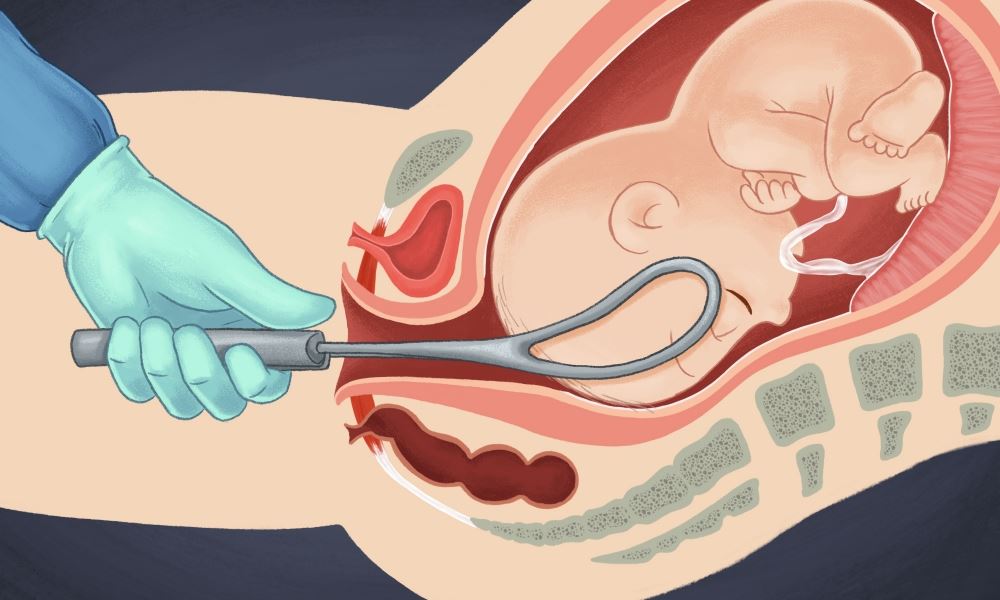
A. Epicanthal folds: Epicanthal folds are the skin folds of the upper eyelid covering the inner corner of the eye. These folds are a normal anatomical variation and are not typically related to forceps-assisted births.
B. Depressed anterior fontanel: A depressed fontanel (the soft spot on a baby's head) might indicate dehydration or a potential concern but is not directly associated with forceps use during birth.
C. Facial asymmetry
Forceps-assisted births involve the use of forceps to aid in the delivery of the baby's head. Facial asymmetry can occur as a result of the pressure applied by the forceps during the birth process. This pressure might cause temporary facial bruising or swelling, leading to an asymmetrical appearance, particularly in the immediate post-birth assessment.
D. Uneven gluteal skinfolds: Uneven gluteal skinfolds, which refer to asymmetry in the skinfolds of the buttocks, are not typically linked to forceps use during delivery. This finding might be a normal variation or could indicate other unrelated conditions.
Whether you are a student looking to ace your exams or a practicing nurse seeking to enhance your expertise , our nursing education contents will empower you with the confidence and competence to make a difference in the lives of patients and become a respected leader in the healthcare field.
Visit Naxlex, invest in your future and unlock endless possibilities with our unparalleled nursing education contents today