
A nurse is caring for a client who has pregestational diabetes mellitus. Which of the following clinical findings should indicate to the nurse that the client has hyperglycemia?
Dizziness
Increased urination
Double vision
Sweating
The Correct Answer is B
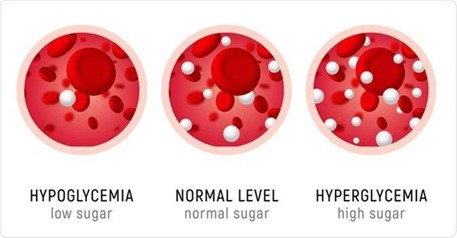
Hyperglycemia, or high blood sugar, can cause increased urination as the body tries to remove excess glucose from the blood. This can lead to dehydration and increased thirst.
Nursing Test Bank
Naxlex Comprehensive Predictor Exams
Related Questions
Correct Answer is D
Explanation
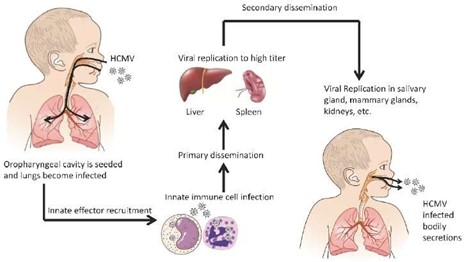
Cytomegalovirus (CMV) is a common virus that can cause serious health problems in newborns if the mother acquires a primary infection during pregnancy and passes the virus to the developing fetus. CMV can be transmited transplacentally or during delivery through contact with infected body fluids.
Newborns who acquire CMV transplacentally may exhibit a range of symptoms, including jaundice, hepatosplenomegaly, thrombocytopenia, microcephaly, and hearing loss. Of the options listed, only hearing loss is consistent with a congenital CMV infection.
Macrosomia (option a) refers to a condition in which a baby is born larger than average for gestational age. It is not typically associated with a congenital CMV infection.
Cataracts (option b) are a clouding of the lens of the eye and are not typically associated with a congenital CMV infection.
Urinary tract infection (option c) is a possible complication of a congenital CMV infection, but hearing loss is a more common and specific finding.
Correct Answer is B
Explanation
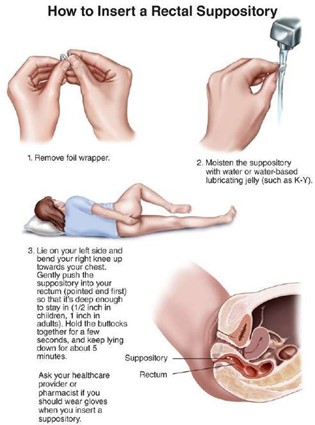
Constipation is a common postpartum issue due to decreased bowel motility, dehydration, and fear of pain during defecation. Suppositories are a common treatment option to help relieve constipation in postpartum clients. However, there are certain contraindications to the use of suppositories.
Option A, abdominal distention, is not a contraindication to the use of a suppository, as it can help relieve the distention and promote bowel movement.
Option C, vaginal candidiasis, is also not a contraindication to the use of a suppository. In fact, antifungal suppositories may be prescribed to treat the candidiasis.
Option D, afterpain, is not a contraindication to the use of a suppository, as afterpains are normal
postpartum contractions that occur as the uterus returns to its pre-pregnancy size.
Option B, third-degree perineal laceration, is a contraindication to the use of a suppository. The suppository can cause further trauma to the already injured perineal area and delay the healing process. In this case, alternative treatment options, such as stool softeners or laxatives, should be considered.
Whether you are a student looking to ace your exams or a practicing nurse seeking to enhance your expertise , our nursing education contents will empower you with the confidence and competence to make a difference in the lives of patients and become a respected leader in the healthcare field.
Visit Naxlex, invest in your future and unlock endless possibilities with our unparalleled nursing education contents today