
A nurse is observing an adolescent client who is offering her newborn a botle while he is lying in the bassinet. When the nurse offers to pick the newborn up and place him in the client’s arms, the mother states, “No, the baby is too tired to be held.”
Which of the following actions should the nurse take?
Offer to take the newborn to the nursery to finish his feeding
Insist that the mother pick up the newborn to feed him
Demonstrate how to hold the newborn and allow the client to practice
Persuade the client to breastfeed the newborn to promote bonding
The Correct Answer is C
This option respects the mother's wishes of not wanting to hold the newborn while also allowing the nurse to provide education on safe and appropriate feeding positions. It also gives the mother the opportunity to learn and practice holding the newborn in a safe way.
Option a, offering to take the newborn to the nursery, may not be necessary as the mother is already offering the baby a botle.
Option b, insisting that the mother pick up the newborn, would not be respectful of her wishes and could potentially damage the trust and rapport between the mother and nurse.
Option d, persuading the client to breastfeed, may not be appropriate or feasible in this situation as it may not be the mother's preferred feeding method and may not address the immediate concern of the newborn being too tired to be held.
Nursing Test Bank
Naxlex Comprehensive Predictor Exams
Related Questions
Correct Answer is C
Explanation
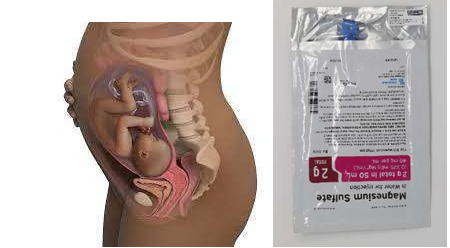
Absent deep tendon reflexes are a sign of magnesium toxicity, which can occur with high levels of magnesium in the bloodstream. This can be a serious complication that requires immediate atention from the provider.
Option A, a decrease in frequency of contractions, is actually a desired effect of magnesium sulfate in the management of preterm labor. It is not a cause for concern.
Option B, a blood pressure reading of 150/100 mm Hg, is high, but it is not necessarily related to the administration of magnesium sulfate. However, it should still be reported to the provider for appropriate management.
Option D, a urinary output of 35 mL/hr, is below the normal range but it may still be within an acceptable range for a client receiving magnesium sulfate. The provider should be notified if urinary output continues to decrease or if it falls below a certain threshold.
Correct Answer is A
Explanation
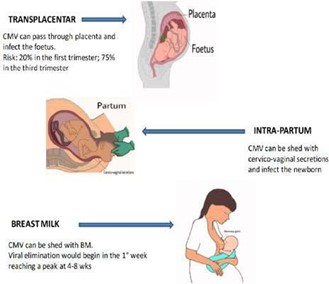
Transmission can occur through bodily fluids, including urine, saliva, blood, breast milk, and cervical secretions. Therefore, pregnant women can acquire CMV by close contact with young children who are shedding the virus, or by exposure to contaminated body fluids in healthcare settings or through sexual activity.
Whether you are a student looking to ace your exams or a practicing nurse seeking to enhance your expertise , our nursing education contents will empower you with the confidence and competence to make a difference in the lives of patients and become a respected leader in the healthcare field.
Visit Naxlex, invest in your future and unlock endless possibilities with our unparalleled nursing education contents today