
A nurse is caring for a client who has gastroenteritis and is reviewing the client's findings from two days ago and today. Which of the following findings require immediate follow-up?
The client is confused and appears weak.
The client's oral mucosa is dry and tongue is furrowed.
The client's temperature is 37.4° C (99.3° F).
The client's blood pressure is 90/58 mm Hg.
The Correct Answer is A
Choice A reason: Confusion and weakness are signs of dehydration and electrolyte imbalance, which can result from vomiting and diarrhea. These are serious complications that can affect the client's mental status, blood pressure, heart rate, and kidney function. The nurse should report these findings to the provider and monitor the client's vital signs and fluid status.
Choice B reason: Dry oral mucosa and furrowed tongue are also signs of dehydration, but they are less severe than confusion and weakness. The nurse should report these findings to the provider as well, but they are not the most urgent ones.
Choice C reason: A temperature of 37.4° C (99.3° F) is slightly elevated, but not indicative of a fever or infection. The nurse should document this finding, but it does not require immediate follow-up.
Choice D reason: A blood pressure of 90/58 mm Hg is low, but not hypotensive. The nurse should document this finding, but it does not require immediate follow-up.
Nursing Test Bank
Naxlex Comprehensive Predictor Exams
Related Questions
Correct Answer is A
Explanation
Choice A reason: Vitamin D is a fat-soluble vitamin that is essential for bone health, immune function, and calcium absorption. It is mainly obtained from exposure to sunlight and animal sources, such as dairy products, eggs, and fish. Vegans are at risk for vitamin D deficiency, especially if they live in areas with limited sunlight or do not take supplements.
Choice B reason: Vitamin C is a water-soluble vitamin that is important for collagen synthesis, wound healing, and antioxidant activity. It is abundant in plant sources, such as fruits and vegetables. Vegans are not likely to be deficient in vitamin C, unless they have a very restricted diet or a malabsorption disorder.
Choice C reason: Magnesium is a mineral that is involved in many enzymatic reactions, muscle contraction, nerve transmission, and bone formation. It is widely distributed in plant and animal foods, such as nuts, seeds, legumes, grains, and green leafy vegetables. Vegans are not prone to magnesium deficiency, unless they have a chronic condition that affects magnesium absorption or excretion.
Choice D reason: Folic acid is a water-soluble vitamin that is essential for DNA synthesis, cell division, and red blood cell production. It is found in fortified grains, cereals, breads, and pasta, as well as in dark green leafy vegetables, beans, and lentils. Vegans are not at risk for folic acid deficiency, as long as they consume enough of these foods or take supplements.
Correct Answer is B
Explanation
Choice A reason: Anticholinesterase medications should be taken 30 minutes before meals, not with meals. This is because they enhance the action of acetylcholine, which improves muscle strength and swallowing ability.
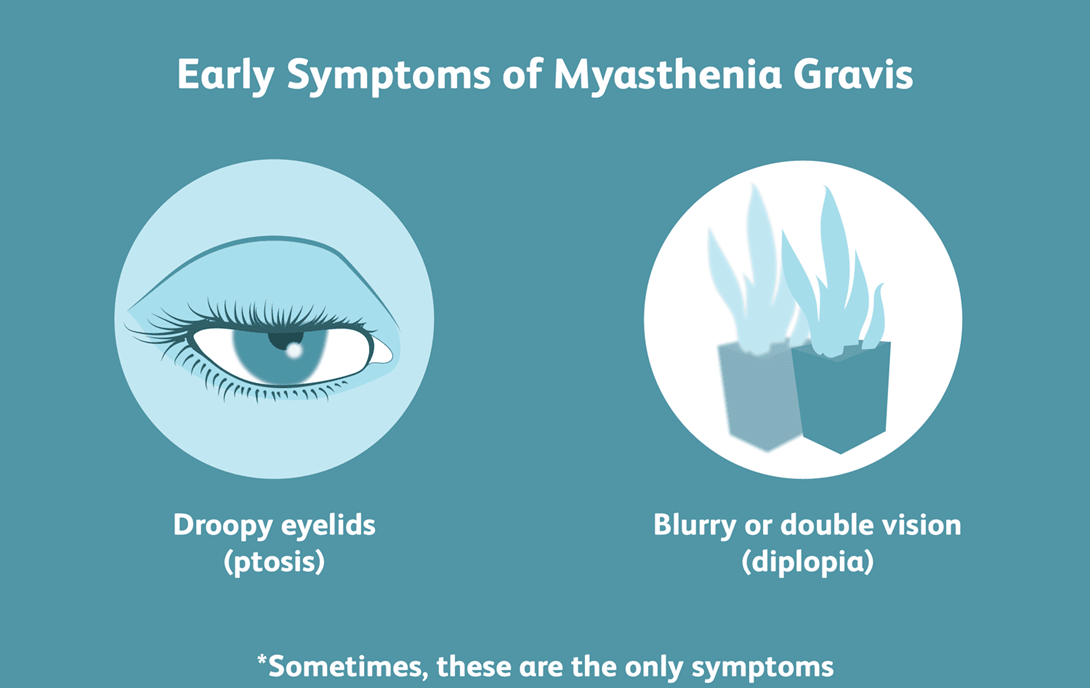
Choice B reason: Positioning the head of the client's bed to 40° while eating helps prevent aspiration and facilitates swallowing. This is the best action for the nurse to take for a client who has myasthenia gravis.
Choice C reason: Encouraging the client to lie down after eating is not advisable, as it increases the risk of aspiration and reflux. The client should remain upright for at least 30 minutes after eating.
Choice D reason: Providing the client with food cut into small bites is not enough to ensure safe and adequate nutrition. The client may still have difficulty swallowing and chewing. The nurse should also offer soft, moist, and easy-to-swallow foods, and avoid foods that are dry, sticky, or hard.
Whether you are a student looking to ace your exams or a practicing nurse seeking to enhance your expertise , our nursing education contents will empower you with the confidence and competence to make a difference in the lives of patients and become a respected leader in the healthcare field.
Visit Naxlex, invest in your future and unlock endless possibilities with our unparalleled nursing education contents today