
A nurse is caring for a client.
Click to highlight the findings that require follow-up. To deselect a finding, click on the finding again.
Body System Findings
|
Neurologic: |
Fatigue after being awake a few hours, feels “restless”. Difficulty concentrating on work and other activities. Difficulty falling asleep and wakes up “after a few hours". Worried about work and family needs. |
|
Musculoskeletal: |
Reports muscles feel tight and achy. Ambulates without assistance. Moves all four extremities independently. |
|
Gastrointestinal: |
Bowel sounds distant, present x four quadrants. Abdomen soft and nondistended, bladder slightly palpable. |
|
Cardiovascular: |
Apical 92/min and regular; peripheral pulses present bilaterally. Absence of lower extremity edema. |
|
Respiratory: |
Breath sounds present bilaterally. Occasional dry cough. |
Fatigue after being awake a few hours, feels “restless”
Difficulty concentrating on work
Difficulty falling asleep
Worried about work and family needs
muscles feel tight and achy
Bowel sounds distant
Apical 92/min and regular
Occasional dry cough
The Correct Answer is ["A","B","C","D","E","F","G","H"]
Neurologic:
- Fatigue after being awake a few hours: Fatigue can be a symptom of various conditions, including anemia, depression, sleep disorders, and others. It’s important to investigate further to determine the cause.
- Feels “restless”: Restlessness can be a symptom of mental health disorders like anxiety or physical conditions like restless leg syndrome. Further evaluation is needed.
- Difficulty concentrating on work and other activities: This could be a symptom of stress, anxiety, depression, or other mental health conditions. It could also be related to the client’s reported fatigue.
- Difficulty falling asleep and wakes up “after a few hours”: This could indicate a sleep disorder such as insomnia, which could also be contributing to the client’s fatigue and difficulty concentrating.
- Worried about work and family needs: This could indicate stress or anxiety, which may need to be addressed with stress management strategies or counseling.
Musculoskeletal:
- Reports muscles feel tight and achy: This could be due to overuse, stress, or a medical condition like fibromyalgia. Further investigation is needed.
Gastrointestinal:
- Bowel sounds distant: This could indicate a slow-down in the digestive process and may require further investigation.
Cardiovascular:
- Apical 92/min and regular: While this is within the normal range, it’s at the higher end. If the client isn’t physically active, it might be worth investigating further.
Respiratory:
- Occasional dry cough: While this could be due to something benign like allergies, it could also be a symptom of a respiratory condition. If it persists, it should be investigated further.
Nursing Test Bank
Naxlex Comprehensive Predictor Exams
Related Questions
Correct Answer is D
Explanation
Choice A reason:
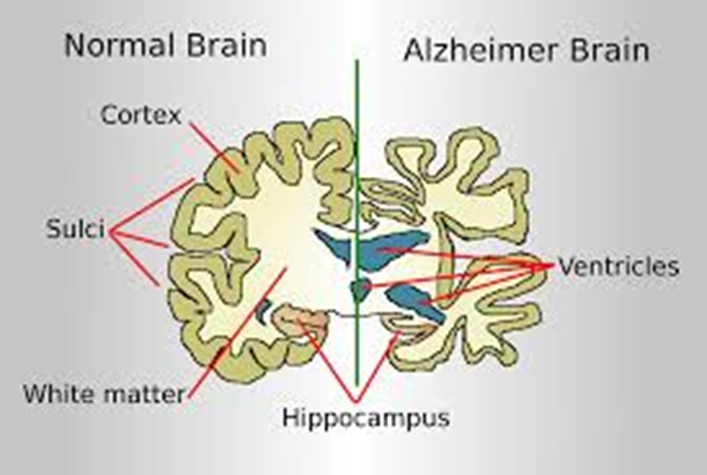
The statement "Rapid mood swings" is not typically associated with Alzheimer's disease. While mood changes can occur, they are usually more gradual and related to frustration or confusion rather than rapid swings. Alzheimer's disease primarily affects memory and cognitive functions, leading to progressive decline in these areas.
Choice B reason:
The statement "Excessive motor activity" is not a common finding in Alzheimer's disease. Patients with Alzheimer's may experience restlessness or wandering, but excessive motor activity is more characteristic of other conditions such as mania or certain types of dementia.
Choice C reason:
The statement "Altered level of consciousness" is not a typical symptom of Alzheimer's disease. Alzheimer's patients usually maintain a normal level of consciousness until the later stages of the disease, where severe cognitive decline can lead to reduced awareness. Altered level of consciousness is more commonly associated with acute conditions such as delirium or other neurological disorders.
Choice D reason:
The statement "Failure to recognize familiar objects" is the correct response. This symptom, known as agnosia, is a hallmark of Alzheimer's disease. As the disease progresses, patients often lose the ability to recognize familiar objects, people, and places, which significantly impacts their daily functioning and independence.
Correct Answer is D
Explanation
Choice A Reason:
Decreased fear of heights is not a typical outcome of electroconvulsive therapy (ECT). ECT is primarily used to treat severe mental health conditions such as major depressive disorder, bipolar disorder, and certain forms of schizophrenia. Phobias, such as a fear of heights, are generally treated with cognitive-behavioral therapy (CBT) or other forms of psychotherapy rather than ECT.
Choice B Reason:
Reduced frequency of seizures is not an expected outcome of ECT. In fact, ECT intentionally induces controlled seizures as part of the treatment process. The therapeutic effects of ECT are believed to result from these induced seizures, which can help alleviate symptoms of severe mental health conditions. Therefore, a reduction in seizure frequency would not indicate the effectiveness of ECT.
Choice C Reason:
Improvement in manifestations of borderline personality disorder (BPD) is not a primary indication for ECT. While ECT can be used in some cases of severe mental health conditions, it is not typically used to treat BPD. The primary treatments for BPD include psychotherapy, such as dialectical behavior therapy (DBT), and medications to manage specific symptoms.
Choice D Reason:
Improvement in manifestations of depression is a key indicator of the effectiveness of ECT. ECT is highly effective in treating severe depression, especially in cases where other treatments have failed. It can lead to significant improvements in mood, energy levels, and overall functioning. Studies have shown that ECT has a high success rate in reducing depressive symptoms and improving the quality of life for individuals with treatment-resistant depression.

Whether you are a student looking to ace your exams or a practicing nurse seeking to enhance your expertise , our nursing education contents will empower you with the confidence and competence to make a difference in the lives of patients and become a respected leader in the healthcare field.
Visit Naxlex, invest in your future and unlock endless possibilities with our unparalleled nursing education contents today