
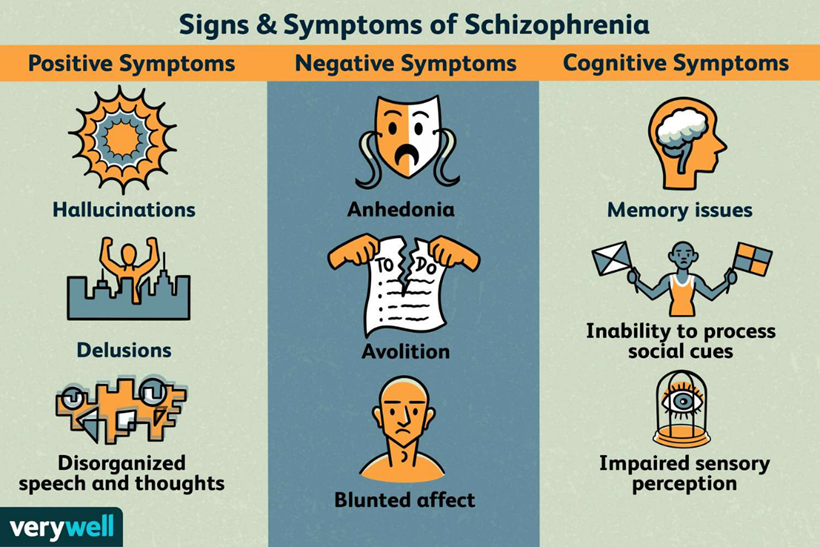
A nurse is providing teaching about relapse prevention to a client who has schizophrenia. Which of the following statements by the client indicates an understanding of the teaching?
"I should listen carefully to the voices to hear what they're saying."
"I should let my counselor know if I am having trouble sleeping."
"I should avoid being around others if I think I'm having a relapse."
"I should avoid watching television when I am hearing voices."
The Correct Answer is B
Choice A Reason:
Listening carefully to the voices to hear what they're saying is not a recommended strategy for managing schizophrenia. Engaging with hallucinations can reinforce them and increase distress. Instead, clients are often taught to use distraction techniques or reality-testing strategies to manage auditory hallucinations. It is important for clients to recognize that the voices are a symptom of their condition and not something to be engaged with.
Choice B Reason:
Letting the counselor know if the client is having trouble sleeping is an important aspect of relapse prevention. Sleep disturbances can be an early warning sign of a potential relapse in schizophrenia. By informing their counselor, the client can receive timely interventions to address sleep issues and prevent a full-blown relapse. This proactive approach helps in managing symptoms and maintaining stability.
Choice C Reason:
Avoiding being around others if the client thinks they are having a relapse is not advisable. Social isolation can exacerbate symptoms and increase the risk of relapse. It is important for clients to stay connected with their support network and seek help if they notice signs of relapse. Engaging with others can provide emotional support and help in managing symptoms more effectively.
Choice D Reason:
Avoiding watching television when hearing voices is not a comprehensive strategy for managing hallucinations. While reducing exposure to certain stimuli can be helpful, it is more important for clients to use coping strategies and seek support from their healthcare team. Effective management of hallucinations involves a combination of medication, therapy, and support from mental health professionals.
Nursing Test Bank
Naxlex Comprehensive Predictor Exams
Related Questions
Correct Answer is A
Explanation
Choice A Reason:
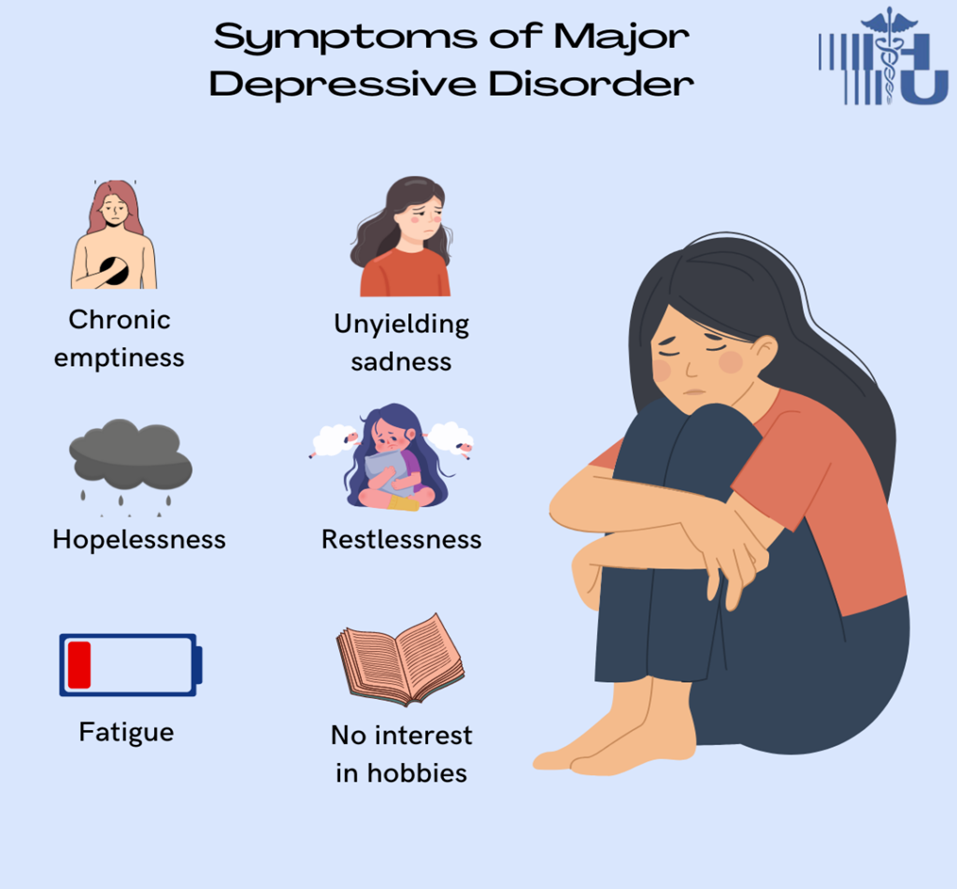
This response is open-ended and encourages the client to express their feelings and thoughts. It shows empathy and allows the nurse to gather more information about the client's emotional state. Open-ended questions are crucial in therapeutic communication as they help build rapport and trust, which are essential in managing clients with major depressive disorder. According to nursing guidelines, assessing the client's feelings and thoughts is a primary step in understanding their mental health status and planning appropriate interventions.
Choice B Reason:
Asking "Why did you feel like giving away your belongings?" might come across as judgmental or confrontational. It could make the client feel defensive or misunderstood. In therapeutic communication, it's important to avoid "why" questions as they can imply criticism and may not encourage the client to open up. Instead, focusing on the client's feelings and experiences is more effective in understanding their condition.
Choice C Reason:
Saying "Everyone feels a little down sometimes" minimizes the client's feelings and can be perceived as dismissive. Clients with major depressive disorder often feel isolated and misunderstood, and such a response could exacerbate these feelings. It's important for nurses to validate the client's emotions and provide support rather than downplaying their experiences.
Choice D Reason:
While suggesting a support group can be helpful, it is not the most immediate or appropriate response in this context. The client has expressed a significant behavior (giving away personal belongings) that could indicate suicidal ideation or severe depression. The nurse's priority should be to assess the client's current emotional state and risk factors before suggesting long-term solutions like support groups.
Correct Answer is A
Explanation
Choice A Reason:
Constant talking, also known as pressured speech, is a common symptom of mania in bipolar disorder. During a manic episode, individuals often experience a rapid flow of speech that is difficult to interrupt. This symptom is indicative of the heightened energy levels and racing thoughts associated with mania. Pressured speech can be overwhelming for both the individual and those around them, as it often includes rapid shifts in topics and an inability to focus on one subject.
Choice B Reason:
Expressing feelings of inferiority is more commonly associated with depressive episodes rather than manic episodes. During a depressive episode, individuals may experience low self-esteem, feelings of worthlessness, and a pervasive sense of sadness. These symptoms are in contrast to the elevated mood and increased self-confidence typically seen in mania.
Choice C Reason:
Memory loss is not a primary indicator of mania. While cognitive impairments can occur in bipolar disorder, they are not specific to manic episodes. Memory loss can be associated with various conditions, including depression, anxiety, and other neurological disorders. It is important to differentiate between symptoms specific to mania and those that may arise from other conditions.
Choice D Reason:
Sleeping over 10 hours a day is indicative of hypersomnia, which is more commonly seen in depressive episodes. During a manic episode, individuals typically experience a decreased need for sleep and may function on very little rest without feeling tired. The reduced need for sleep is a hallmark symptom of mania and helps distinguish it from depressive episodes.
Whether you are a student looking to ace your exams or a practicing nurse seeking to enhance your expertise , our nursing education contents will empower you with the confidence and competence to make a difference in the lives of patients and become a respected leader in the healthcare field.
Visit Naxlex, invest in your future and unlock endless possibilities with our unparalleled nursing education contents today