
A nurse is caring for a child who has had a lumbar puncture. The nurse should monitor the child for which of the following complications?
Nuchal rigidity when standing
Double vision
Headache
Pain in the posterior iliac crest
The Correct Answer is C
Rationale:
A. Nuchal rigidity when standing may indicate meningitis, but it is not a common complication of lumbar puncture itself.
B. Double vision is not a typical complication of lumbar puncture and suggests other neurological issues.
C. Headache is a common complication of lumbar puncture, occurring due to leakage of cerebrospinal fluid (CSF) from the puncture site. It is often described as positional, worsening when the patient sits or stands upright and improving when lying down.
D. Pain in the posterior iliac crest is not a typical complication of lumbar puncture and may indicate musculoskeletal issues unrelated to the procedure.
Nursing Test Bank
Naxlex Comprehensive Predictor Exams
Related Questions
Correct Answer is []
Explanation
Correct Answers:
Condition Most Likely Experiencing: C
Actions to Take: A, B
Parameters to Monitor: B, C
Rationale:
Condition Most Likely Experiencing
A. Pyloric stenosis causes projectile vomiting, dehydration, and hunger.
B. Cystic fibrosis causes chronic respiratory infections, steatorrhea, and failure to thrive.
C. The condition that the infant is most likely experiencing is congestive heart failure, which can cause poor weight gain, tachypnea, decreased appetite, and periorbital edema.
D. Respiratory syncytial virus bronchiolitis causes wheezing, coughing, and respiratory distress.
Actions to Take
A. Elevating the head of the bed can help reduce the workload of the heart and improve breathing.
B. Digoxin can increase the contractility of the heart and decrease the heart rate.
C. Contact precautions are not indicated for congestive heart failure, but for infections that are transmitted by direct or indirect contact.
D. Chest physiotherapy and postural drainage are not indicated for congestive heart failure, but for conditions that cause excessive mucus production and retention.
Parameters to Monitor
A. Number of steatorrhea stools is not relevant for congestive heart failure, but for cystic fibrosis or other malabsorption disorders.
B. Intake and output can indicate fluid balance and renal function.
C. Respiratory status can reflect cardiac function and oxygenation.
D. Presence of periorbital edema is not a parameter to monitor, but a sign of fluid overload.
Correct Answer is B
Explanation
Rationale:
A. Capillary refill time of 3 seconds is within the normal range (less than 3 seconds) and does not indicate severe dehydration.
B. A sunken anterior fontanel is a significant sign of dehydration in infants and suggests severe dehydration.
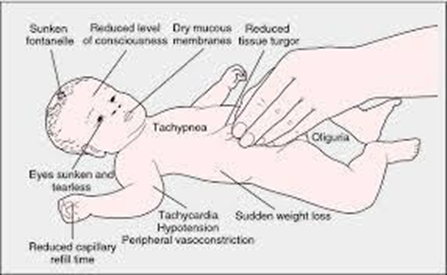
C. While a weight loss of 5% can indicate dehydration, it may not necessarily represent severe dehydration. The extent of dehydration is better assessed by clinical signs such as fontanel status, skin turgor, and mucous membrane moisture.
D. Producing tears when crying is a reassuring sign and suggests adequate hydration, so it does not indicate severe dehydration.
Whether you are a student looking to ace your exams or a practicing nurse seeking to enhance your expertise , our nursing education contents will empower you with the confidence and competence to make a difference in the lives of patients and become a respected leader in the healthcare field.
Visit Naxlex, invest in your future and unlock endless possibilities with our unparalleled nursing education contents today