
A nurse is auscultating fetal heart tones with a Doppler device for a client who is at 12 weeks of gestation. Where should the nurse expect to auscultate the fetal heart tones?
Umbilical area
Suprapubic area
Above the left iliac crest
Below the liver border on the right abdomen
The Correct Answer is C
Rationale:
A) Incorrect - The umbilical area is not a typical location for auscultating fetal heart tones.
B) Incorrect - The suprapubic area is not a common location for auscultating fetal heart tones.
C) Correct - At 12 weeks of gestation, the nurse would typically auscultate the fetal heart tones above the left iliac crest, which is in the lower abdomen. This is where the uterus is located at this stage of pregnancy.
D) Incorrect - Auscultating below the liver border on the right abdomen is not a standard practice for fetal heart tone assessment.
Nursing Test Bank
Naxlex Comprehensive Predictor Exams
Related Questions
Correct Answer is C
Explanation
Rationale:
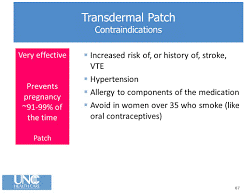
A) Incorrect - A blood pressure of 120/70 mm Hg is within the normal range and is not a contraindication for the transdermal contraceptive patch.
B) Incorrect - Peptic ulcer disease is not a contraindication for the transdermal contraceptive patch.
C) Correct - A weight of 98 kg (216 lb) is considered a contraindication for the transdermal contraceptive patch due to potential reduced efficacy in women with a body mass index (BMI) over 30. This method might be less effective for individuals with higher body weights.
D) Incorrect - A history of spontaneous abortion is not a contraindication for the transdermal contraceptive patch.
Correct Answer is A
Explanation
A) Correct - Yogurt is a good source of calcium and is a suitable recommendation for a client with low calcium levels during pregnancy.
B) Incorrect- Avocados contain healthy fats and other nutrients, but they are not a particularly high source of calcium.
C) Incorrect- Peanut butter is a source of protein and healthy fats but does not provide a significant amount of calcium.
D) Incorrect- Long-grain rice is a carbohydrate source but does not contribute much to calcium intake.
Whether you are a student looking to ace your exams or a practicing nurse seeking to enhance your expertise , our nursing education contents will empower you with the confidence and competence to make a difference in the lives of patients and become a respected leader in the healthcare field.
Visit Naxlex, invest in your future and unlock endless possibilities with our unparalleled nursing education contents today