
A nurse is assisting with the care of a client in an orthopedic unit.
Drag words from the choices below to fill in each blank in the following sentence.
The client is at risk for developing
The Correct Answer is {"dropdown-group-1":"A","dropdown-group-2":"C"}
Compartment syndrome occurs when there is increased pressure within a closed muscle compartment, leading to reduced blood flow to the muscles and nerves in that compartment. In this case, the open fracture and subsequent reduction and stabilization procedure can cause swelling and increased pressure within the affected compartment. This can impede blood flow and potentially lead to tissue damage. Common symptoms include severe pain, swelling, numbness, and decreased or absent pulses. Immediate medical attention is necessary if compartment syndrome is suspected.
Deep Vein Thrombosis (DVT) refers to the formation of blood clots within the deep veins, typically in the lower extremities. In the case of a client with an open fracture and immobilization with a splint, the risk of DVT increases due to factors such as reduced mobility, injury to blood vessels, and blood stasis. DVT can lead to serious complications if a clot dislodges and travels to the lungs, causing a pulmonary embolism. Symptoms of DVT may include pain, swelling, warmth, and redness in the affected limb.
While osteomyelitis and fat embolism syndrome can occur as complications of long bone fractures, they are not explicitly mentioned in the given scenario. Osteomyelitis refers to an infection in the bone, which can develop if bacteria enter an open fracture. Fat embolism syndrome can occur when fat globules from the bone marrow enter the bloodstream, usually following a long bone fracture.

Nursing Test Bank
Naxlex Comprehensive Predictor Exams
Related Questions
Correct Answer is D
Explanation
d. Observe the client for 1 hr after meals.
Explanation:
The correct answer is d. Observe the client for 1 hr after meals.
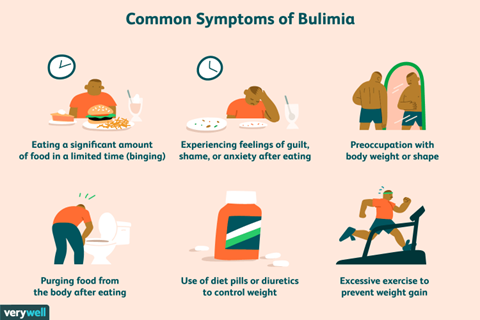
For a client with bulimia nervosa, it is important to closely monitor their behavior after meals to prevent purging behaviors and ensure their safety. Observing the client for 1 hour after meals allows the nurse to provide support, encourage healthy coping strategies, and intervene if necessary to prevent purging episodes.
Option a, administering bupropion 1 hour before meals, is not an appropriate intervention for bulimia nervosa. Bupropion is an antidepressant medication that may be used for certain mood disorders, but it is not the primary treatment for bulimia nervosa.
Option b, allowing the client access to food throughout the day, is not a recommended intervention for a client with bulimia nervosa. Clients with bulimia nervosa often struggle with impulse control and binge eating behaviors. Allowing unrestricted access to food may exacerbate their symptoms and increase the risk of binge-purge cycles.
Option c, weighing the client once weekly, is not the most appropriate intervention for managing bulimia nervosa. While weight monitoring may be a component of treatment, it should not be the sole focus. The treatment for bulimia nervosa involves addressing the underlying psychological and behavioral factors contributing to the disorder.
By recommending the observation of the client for 1 hour after meals, the nurse can provide necessary support, monitor the client for potential purging behaviors, and promote a safe and therapeutic environment for their recovery from bulimia nervosa.
Correct Answer is B
Explanation
Answer: B. Elevated skin patches
Rationale:
A. Constipation:
Constipation is not a typical adverse effect of cefazolin. Antibiotics generally cause gastrointestinal symptoms like diarrhea rather than constipation, so this is not a primary concern with cefazolin therapy.
B. Elevated skin patches:
Elevated skin patches may indicate an allergic reaction, such as hives or a rash, which can be a serious side effect of cefazolin. Allergic reactions to antibiotics can escalate quickly and may require immediate medical attention. Monitoring for and reporting any skin changes is important to prevent potential complications.
C. Ringing in the ears:
Tinnitus (ringing in the ears) is not commonly associated with cefazolin. This symptom is more frequently associated with certain other antibiotics, such as aminoglycosides, but is not a primary concern with cefazolin use.
D. Depression:
Depression is not a known side effect of cefazolin. While mood changes may be seen with some medications, cefazolin’s primary side effects are related to hypersensitivity reactions and gastrointestinal symptoms.
Whether you are a student looking to ace your exams or a practicing nurse seeking to enhance your expertise , our nursing education contents will empower you with the confidence and competence to make a difference in the lives of patients and become a respected leader in the healthcare field.
Visit Naxlex, invest in your future and unlock endless possibilities with our unparalleled nursing education contents today