
A nurse is assessing a school-age child who is receiving cefazolin. For which of the following adverse effects should the nurse monitor?
Hypotension
Prolonged wound healing
Stevens-Johnson syndrome
Bradypnea
The Correct Answer is C
A. Hypotension is not a common adverse effect of cefazolin. While hypotension can occur in severe allergic reactions, it is not a typical side effect of this medication.
B. Prolonged wound healing is not a primary concern with cefazolin. This antibiotic does not typically affect wound healing directly.
C. Stevens-Johnson syndrome is correct. Cefazolin can cause serious skin reactions, including Stevens-Johnson syndrome, which is a severe, life-threatening condition characterized by blistering and peeling of the skin. The nurse should monitor for signs of this reaction.
D. Bradypnea is not a common adverse effect of cefazolin. Respiratory depression is not typically associated with this medication.
Nursing Test Bank
Naxlex Comprehensive Predictor Exams
Related Questions
Correct Answer is D
Explanation
A. Rhinorrhea (runny nose) is a common symptom of respiratory syncytial virus (RSV) and may not require immediate reporting unless severe or accompanied by other concerning symptoms.
B. Pharyngitis (sore throat) is not typically considered a critical finding in RSV infection.
C. Coughing is a common symptom of RSV and is expected in infants with the infection. While coughing may require monitoring, it is not typically an immediate cause for concern unless severe.
D. Tachypnea (rapid breathing) is a concerning finding in infants with RSV infection, especially if it is severe or accompanied by signs of respiratory distress. Severe tachypnea may indicate worsening respiratory compromise and requires immediate attention and reporting to the healthcare provider for further evaluation and management.
Correct Answer is B
Explanation
Rationale:
A. Capillary refill time of 3 seconds is within the normal range (less than 3 seconds) and does not indicate severe dehydration.
B. A sunken anterior fontanel is a significant sign of dehydration in infants and suggests severe dehydration.
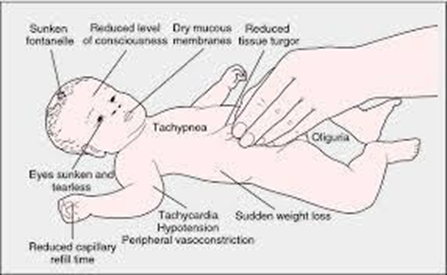
C. While a weight loss of 5% can indicate dehydration, it may not necessarily represent severe dehydration. The extent of dehydration is better assessed by clinical signs such as fontanel status, skin turgor, and mucous membrane moisture.
D. Producing tears when crying is a reassuring sign and suggests adequate hydration, so it does not indicate severe dehydration.
Whether you are a student looking to ace your exams or a practicing nurse seeking to enhance your expertise , our nursing education contents will empower you with the confidence and competence to make a difference in the lives of patients and become a respected leader in the healthcare field.
Visit Naxlex, invest in your future and unlock endless possibilities with our unparalleled nursing education contents today