
A nurse is assessing a client's IV infusion site and notes that the site is cool and edematous. Which of the following actions should the nurse take?
Apply a warm, moist compress.
Slow the IV solution rate.
Initiate a new IV distal to the initial site.
Maintain the extremity below the level of the heart
The Correct Answer is A
A. Apply a warm, moist compress.
Explanation:
A cool and edematous IV infusion site could indicate infiltration of the IV site, which occurs when the IV fluid leaks into the surrounding tissue instead of entering the bloodstream. Applying a warm, moist compress to the site can help improve blood circulation and reduce the discomfort associated with infiltration. This action can also help reduce tissue damage.
B. Slow the IV solution rate: Slowing the IV solution rate might not be effective in resolving the infiltration. It's important to address the infiltration itself rather than just adjusting the rate of infusion.
C. Initiate a new IV distal to the initial site: While starting a new IV site might be necessary if the current site cannot be salvaged, it's not the initial action to take. Applying warm, moist compresses and assessing the severity of the infiltration are appropriate steps before considering a new IV site.
D. Maintain the extremity below the level of the heart: Elevating the extremity could help reduce swelling in some cases, but it's not the primary action to take when dealing with IV infiltration.
Remember, prompt assessment and appropriate interventions are essential to prevent complications associated with IV infiltration.
Nursing Test Bank
Naxlex Comprehensive Predictor Exams
Related Questions
Correct Answer is A
Explanation
A. "I will need to have blood levels drawn."
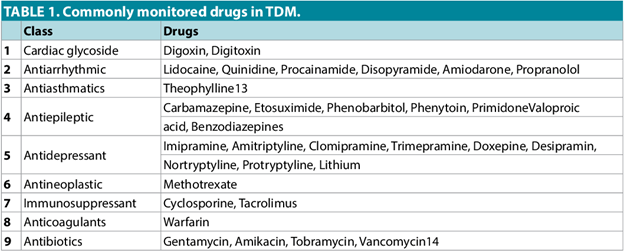
Theophylline is a medication used to treat respiratory conditions like asthma and chronic obstructive pulmonary disease (COPD). It is important to monitor the blood levels of theophylline because it has a narrow therapeutic range – meaning that there is a fine line between a therapeutic dose and a toxic dose. Regular blood tests help to ensure that the client is receiving the appropriate dose for their condition.
B. "I can take my medication in the morning with my coffee." - Theophylline should be taken consistently with meals, so taking it with coffee might not be ideal as it can affect its absorption.
C. "I may sprinkle the medication in applesauce." - Theophylline is usually taken as a sustained-release capsule, which means it is designed to release the medication slowly over time. Crushing or sprinkling the medication can disrupt this mechanism and lead to unintended consequences.
D. "I should limit my fluid intake while on this medication." - There's no requirement to limit fluid intake with theophylline, and in fact, adequate hydration can help prevent some side effects of the medication.
Correct Answer is A
Explanation
A. The client has a history of a severe penicillin allergy:
Correct Answer: This is the priority information for the nurse to report to the provider.
Explanation: Cefuroxime is a cephalosporin antibiotic. Individuals with a history of severe penicillin allergy may also have an increased risk of cross-reactivity with cephalosporin antibiotics. This potential cross-reactivity needs to be evaluated by the provider to determine the safety of prescribing cefuroxime for the client.
B. The client takes an aspirin daily:
Incorrect Explanation: While the daily use of aspirin should be considered when prescribing medications, it is not the priority in this scenario.
Explanation: Aspirin use might affect bleeding risk, but it is not directly related to the potential interaction with cefuroxime. The client's severe penicillin allergy takes precedence in terms of immediate concern.
C. The client reports a history of nausea with cefuroxime:
Incorrect Explanation: A history of nausea with cefuroxime is relevant but is not as critical as the severe penicillin allergy.
Explanation: While the nurse should consider the client's history of nausea with cefuroxime, it is not as urgent as addressing the potential cross-reactivity with penicillin.
D. The client has a BUN level of 18 mg/dL:
Incorrect Explanation: The BUN level is not the priority in this context.
Explanation: A BUN level of 18 mg/dL is within the normal range and is not immediately relevant to the decision about prescribing cefuroxime.
Whether you are a student looking to ace your exams or a practicing nurse seeking to enhance your expertise , our nursing education contents will empower you with the confidence and competence to make a difference in the lives of patients and become a respected leader in the healthcare field.
Visit Naxlex, invest in your future and unlock endless possibilities with our unparalleled nursing education contents today